We acknowledge Ngarrindjeri and other First Nations as Australia’s first scientists. They made observations, formed theories, and experimented to solve problems, to find ways to live sustainably, and to care for our unique country for thousands of generations.
We respect elders past and present and appreciate the deep value of their knowledge.
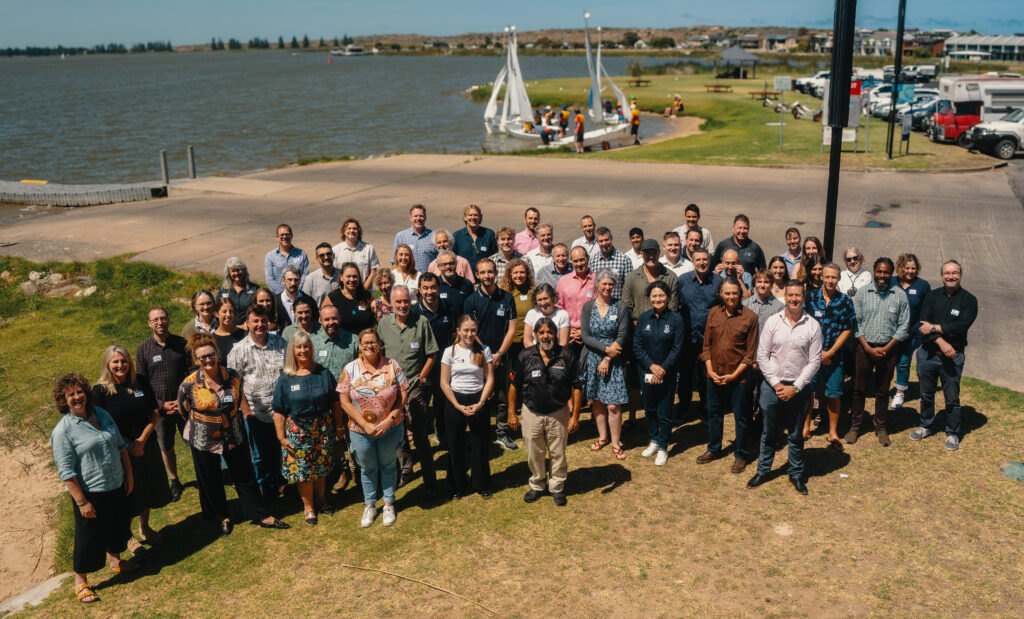
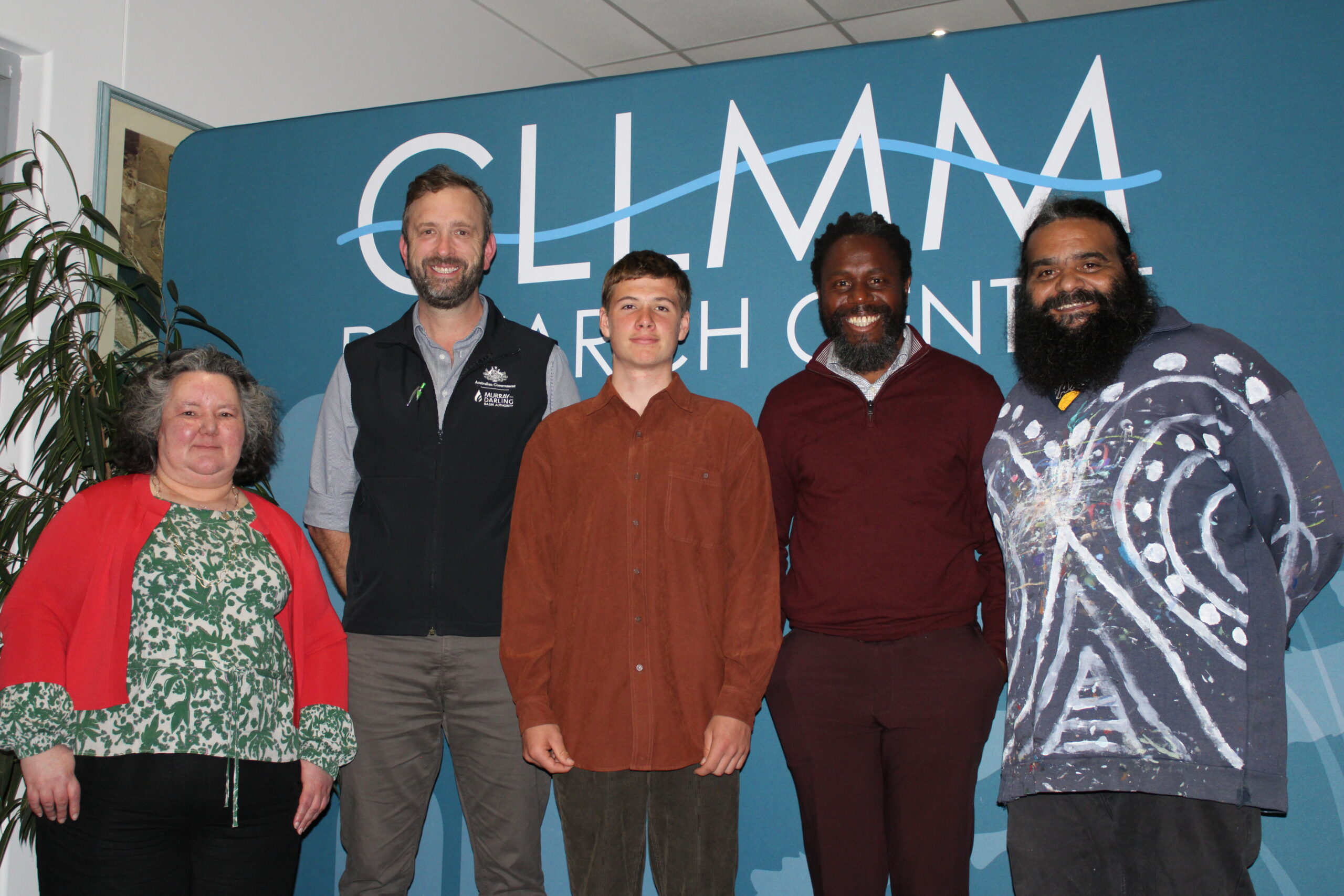
The CLLMM Research Centre has established a strong relationship with the Ngarrindjeri Nations and First Nations of the South-East who have nurtured and protected this land, its waterways and community for thousands of years.
We deeply appreciate and respect this continuing connection to land, water and community and are grateful for sharing their knowledge and wisdom in caring for these lands and waters.
This invaluable cultural knowledge, passed down through generations, offers deep insights into sustainable practices and holistic caring for Country. It highlights the interconnectedness of land, waters, and community, and provides a foundation for resilience in the face of environmental challenges.
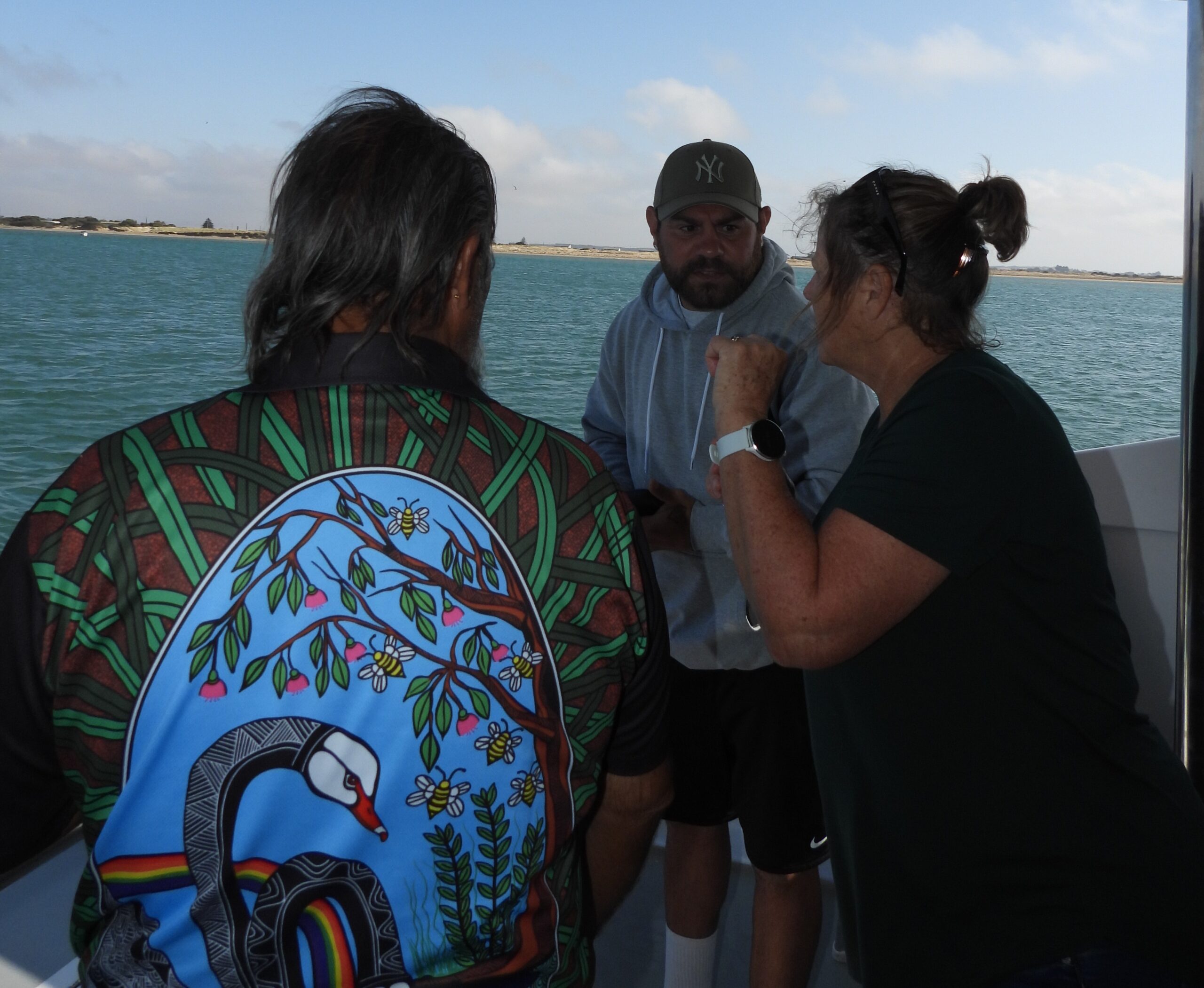
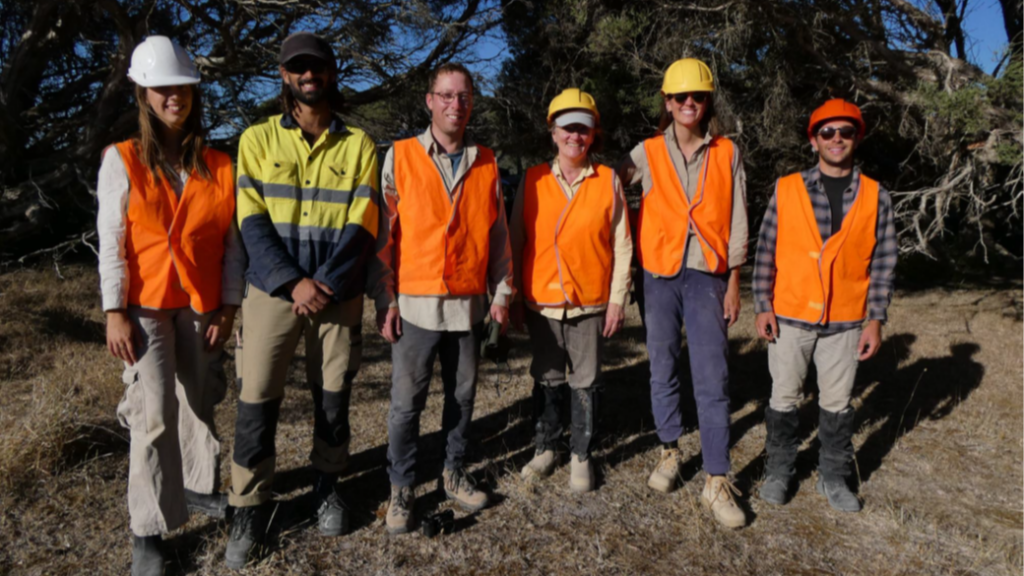
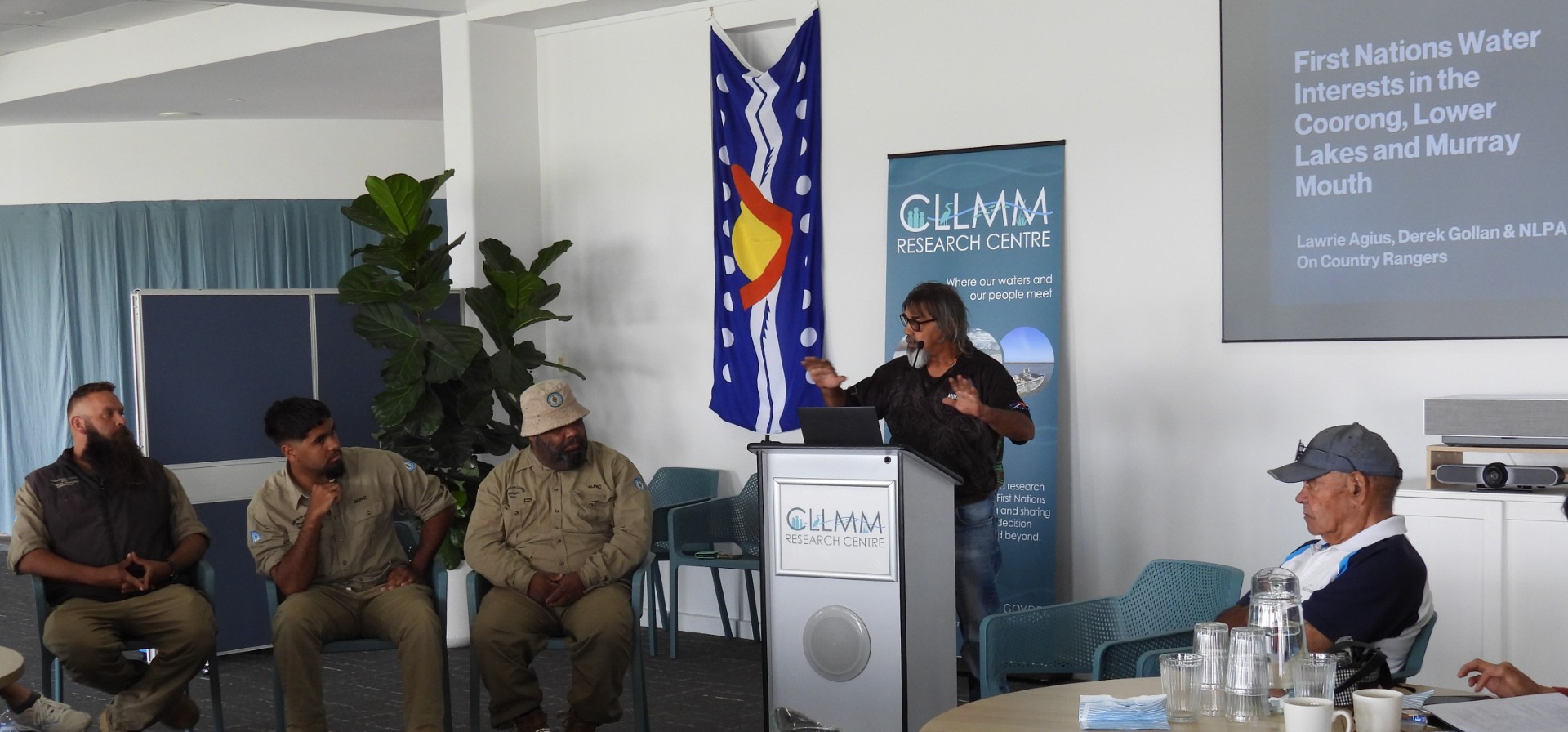
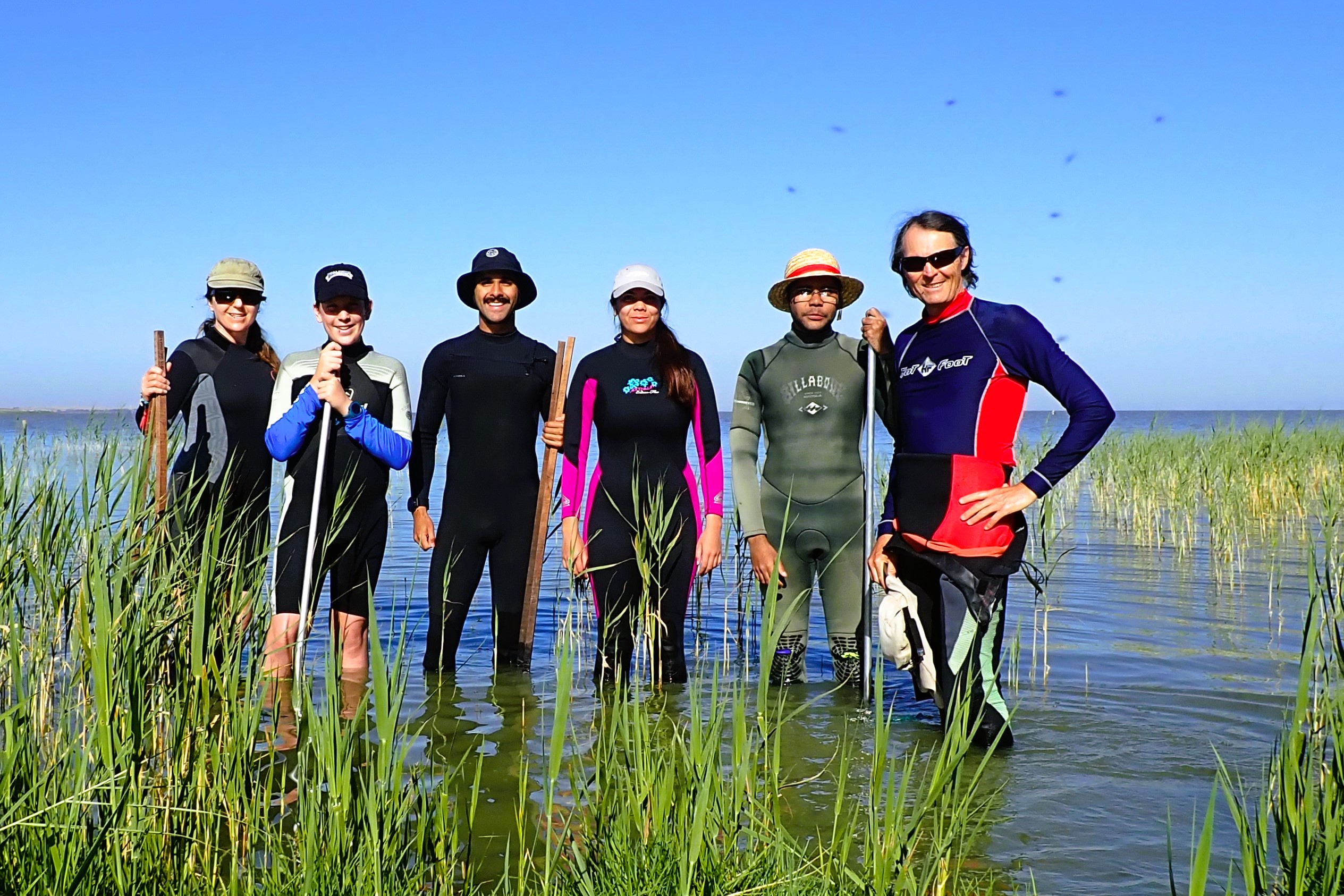
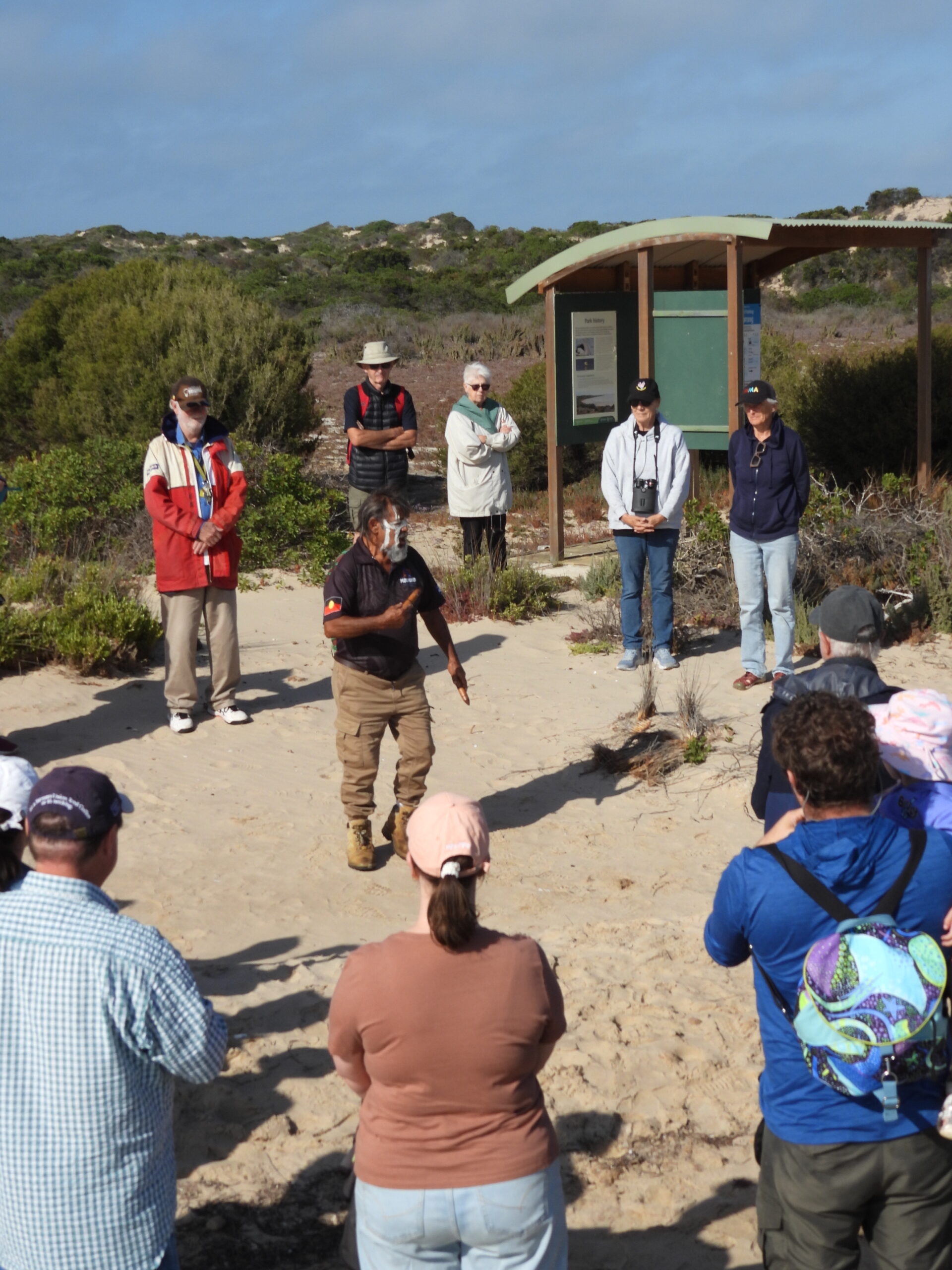
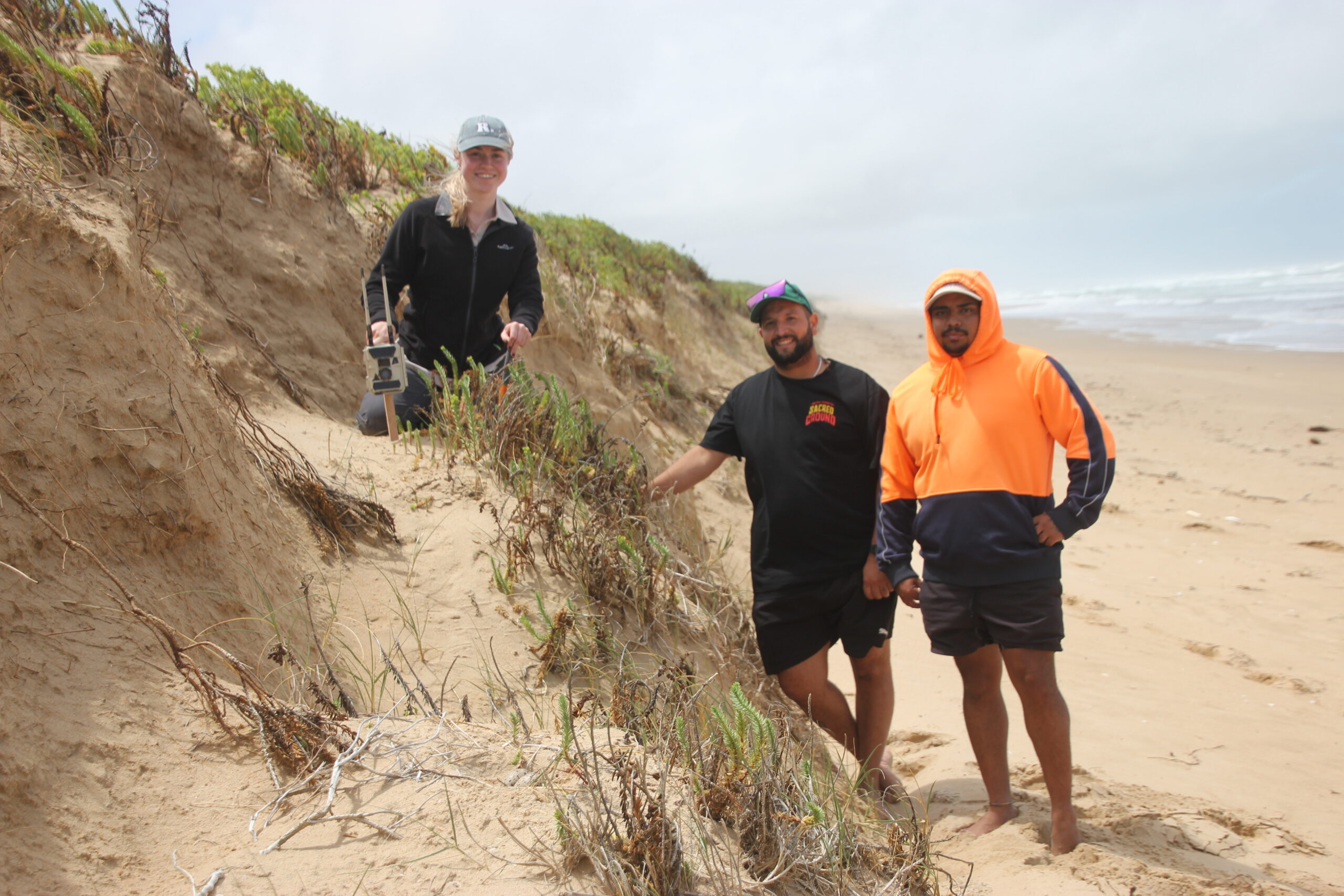
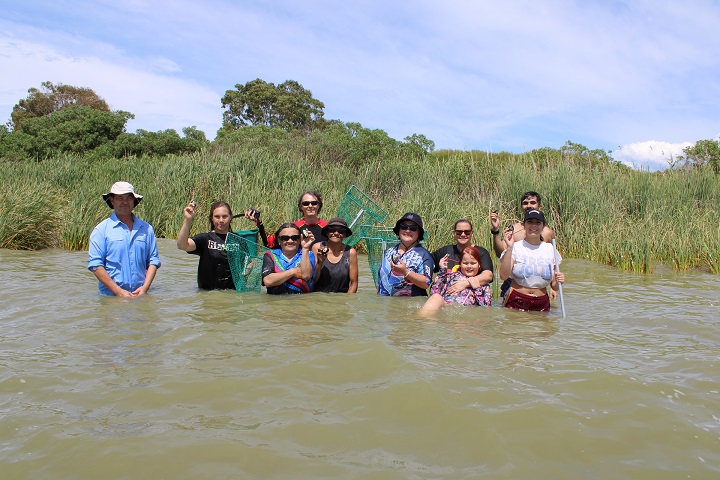
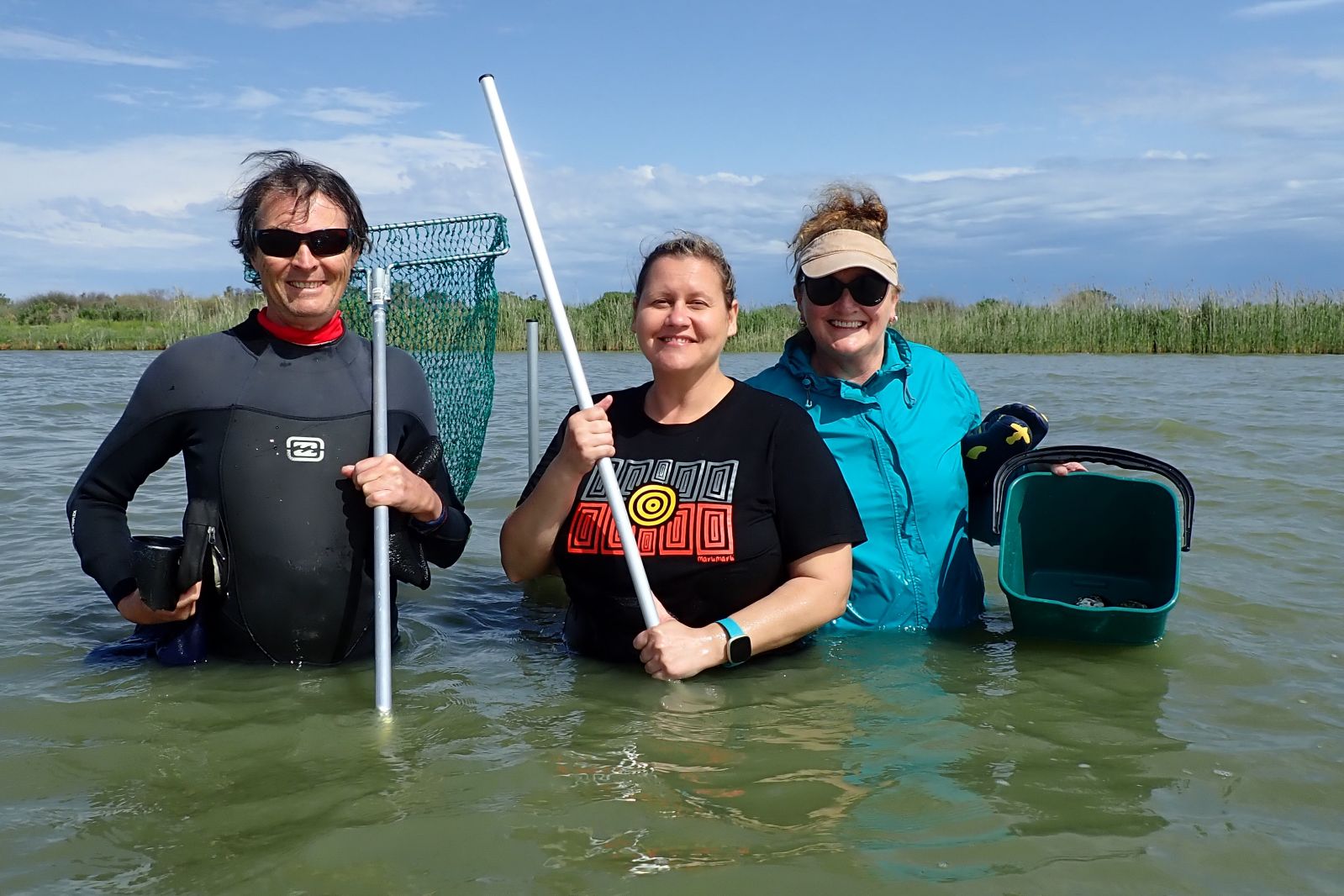
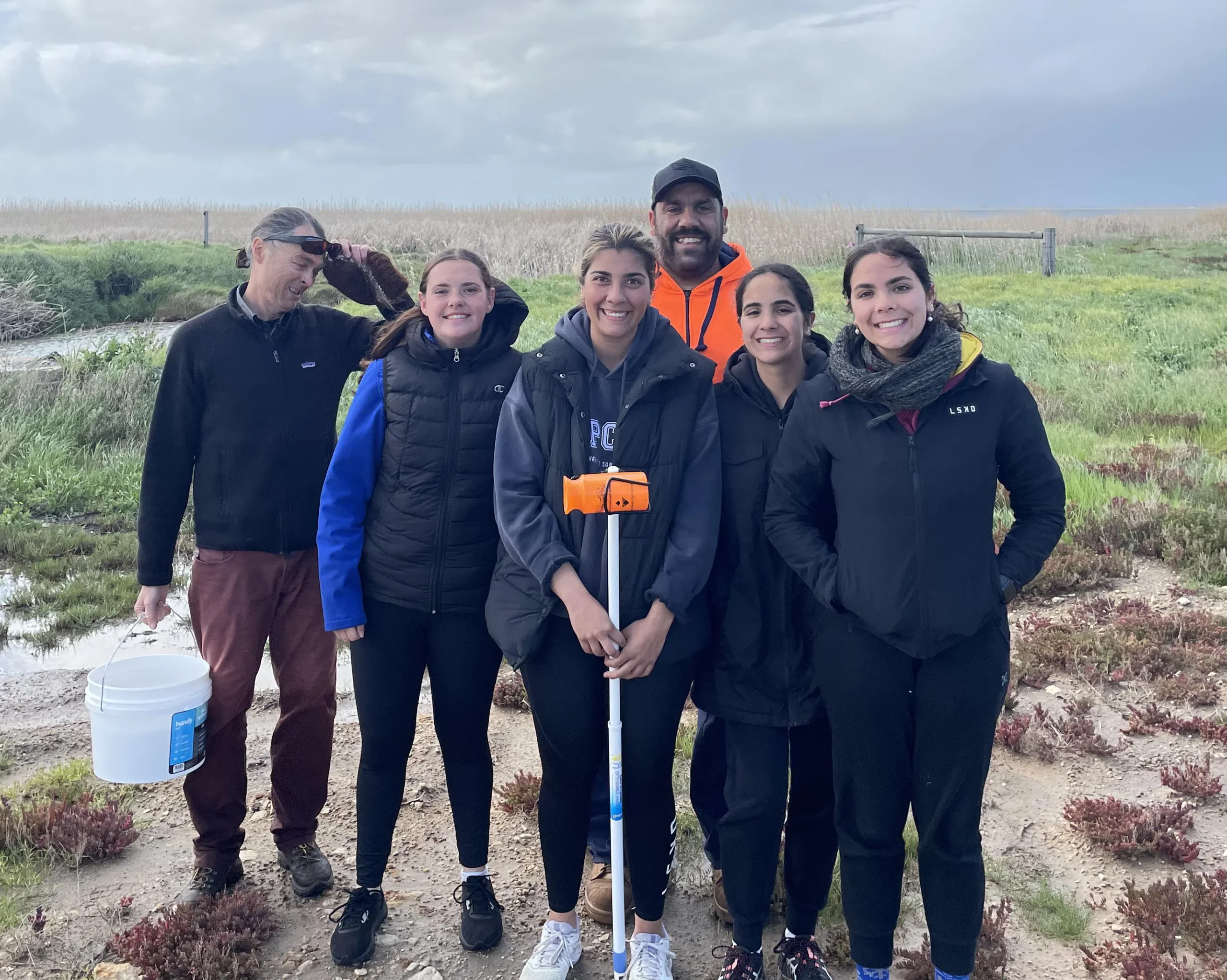
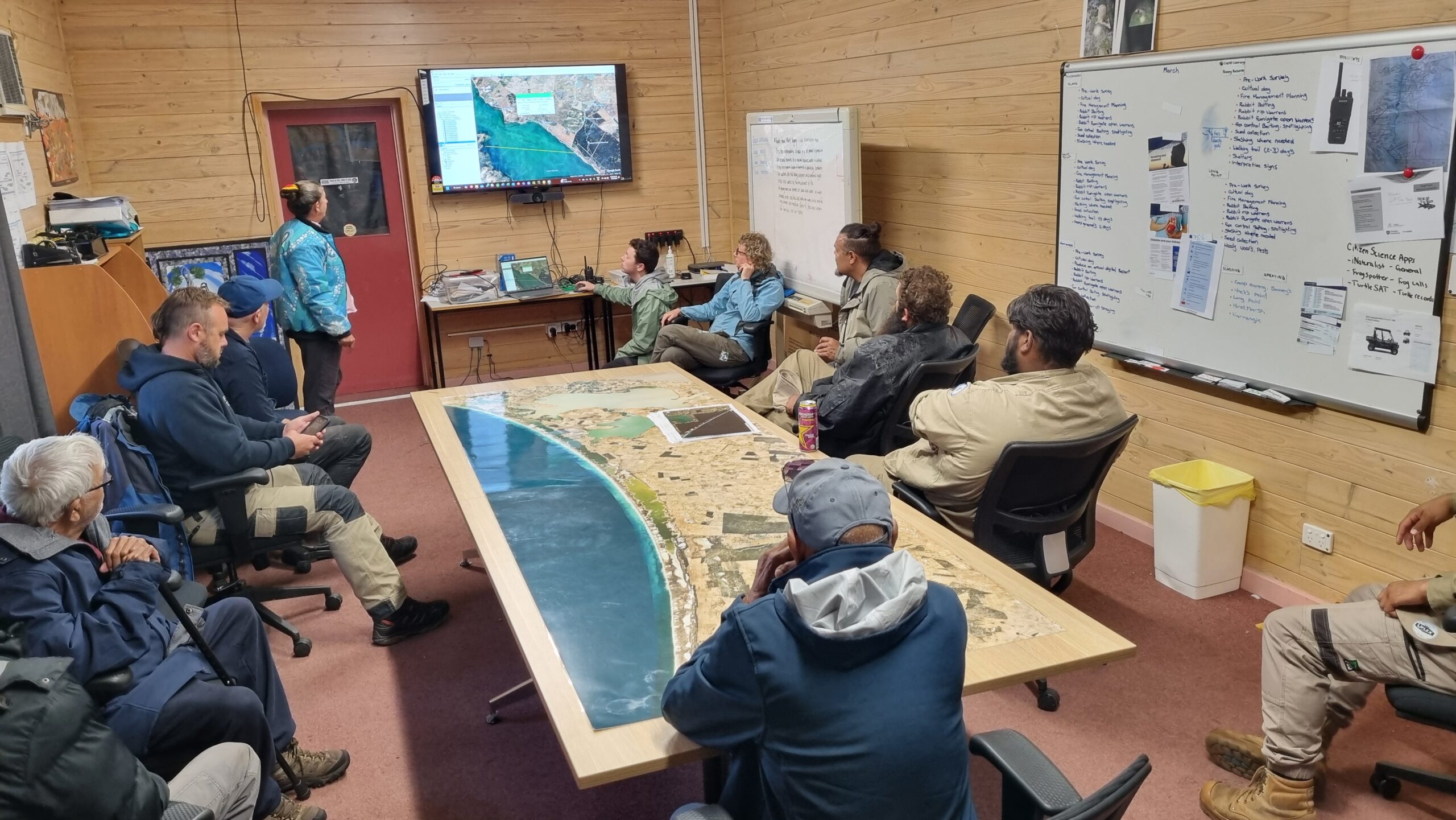
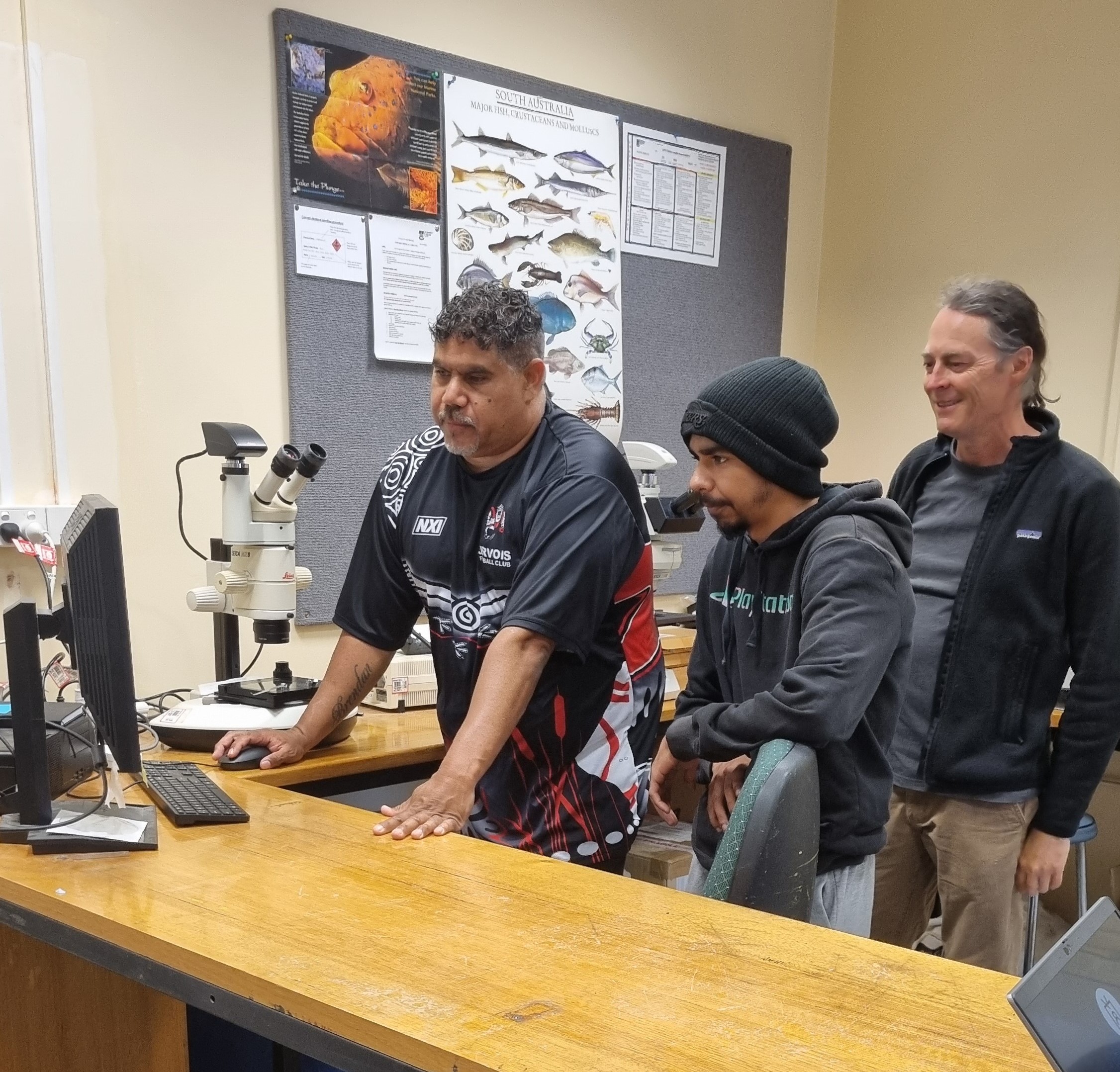
Our projects are grounded in genuine partnership, bringing research teams and First Nations communities together to co‑design and deliver integrated outcomes. Through shared learning and knowledge exchange, we honour First Nations wisdom and work alongside communities who are working to protect and sustain these lands and waters for future generations.
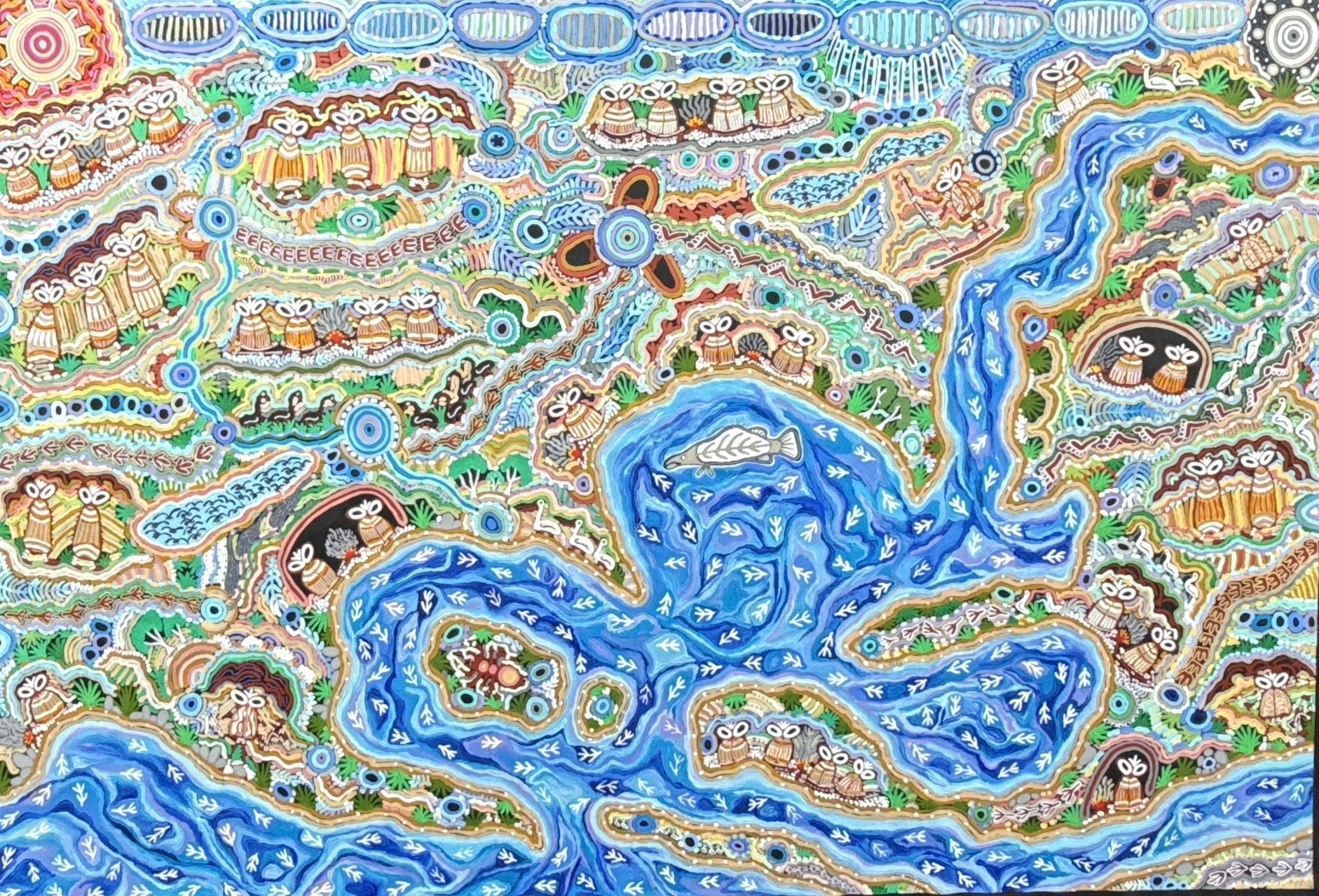
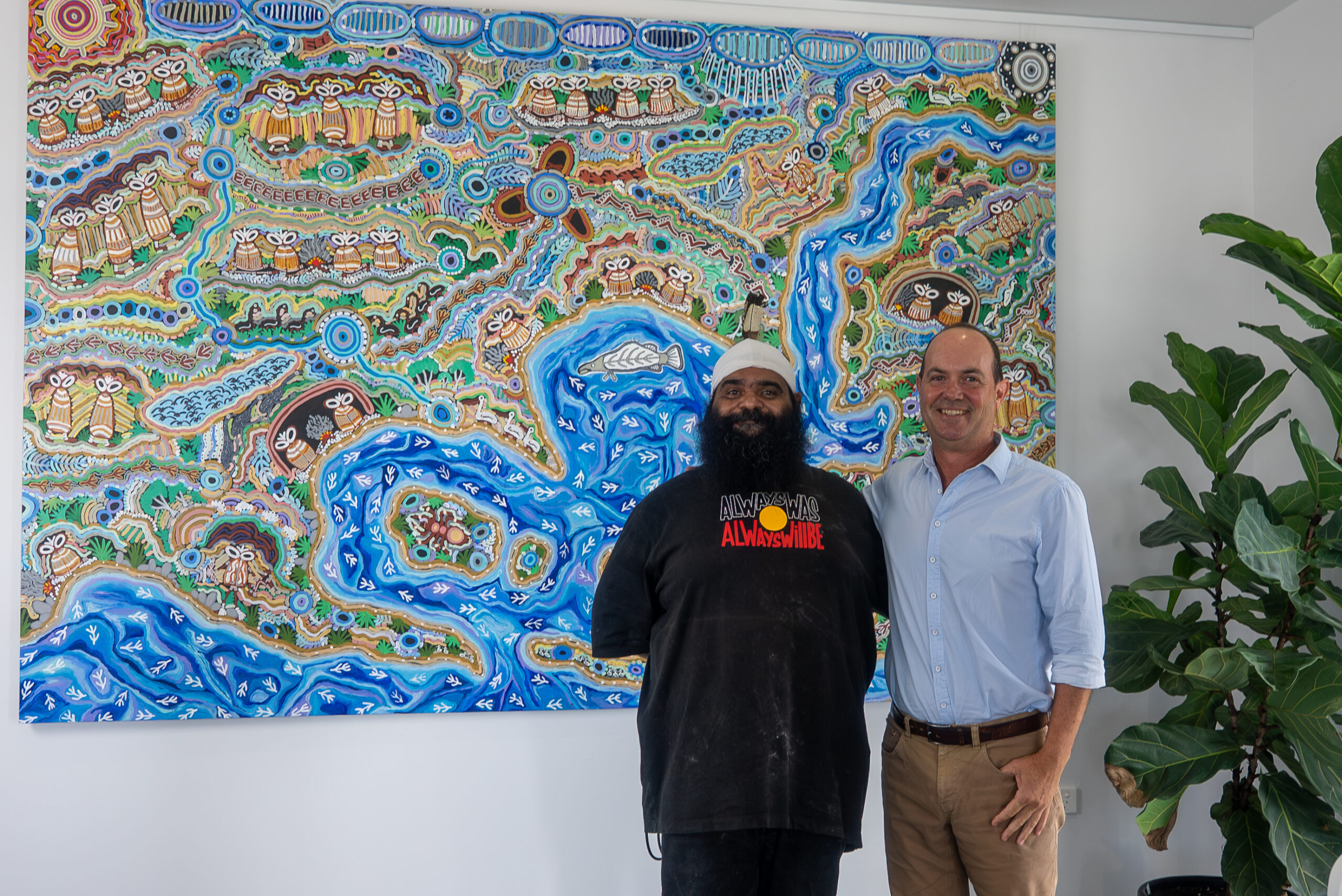
'My Country my Waterways' Ramindjeri-Ngarrindjeri and Narungga Artist Cedric Varcoe. (CLLMM RC)
The CLLMM Region is comprised of primarily 2 Aboriginal Nations:
Ngarrindjeri Nation
The Ngarrindjeri nation is an Aboriginal nation consisting currently of 3 main dialect groups; the Ramindjeri; Yaraldi and; Tanganekald. These dialect groups are further divided into 18 Laklinyerar (clans), then further into individual family groups who occupy the lands and waters of the CLLMM Region, and held their own Nga:tjar (totems). The Ngarrindjeri nation extends up the Murray River from Lake Alexandrina and Lake Albert, down the length of the Coorong and through the coastal area to Encounter Bay.
Boandik
The Boandik, or First Nations of the South-East are an Aboriginal nation divided into 5 main tribes; the Booandik; Mootatunga/Meintangk; Putarawutj; Witchintunga and; the Ngarkat. Each tribe inhabited their own territory, ranging from north of Lacepede Bay at Salt Creek, South Australia, across to Bordertown on the Victorian border, and then south to the coast where the mouth of the Glenelg river in far western Victoria formed the south-eastern corner. Each tribe spoke different dialects of the Bunganditj language (language of the Boadik) and all share a common matrilineal culture/society.
Working Together
Knowledge flows both ways – where meaningful change begins.
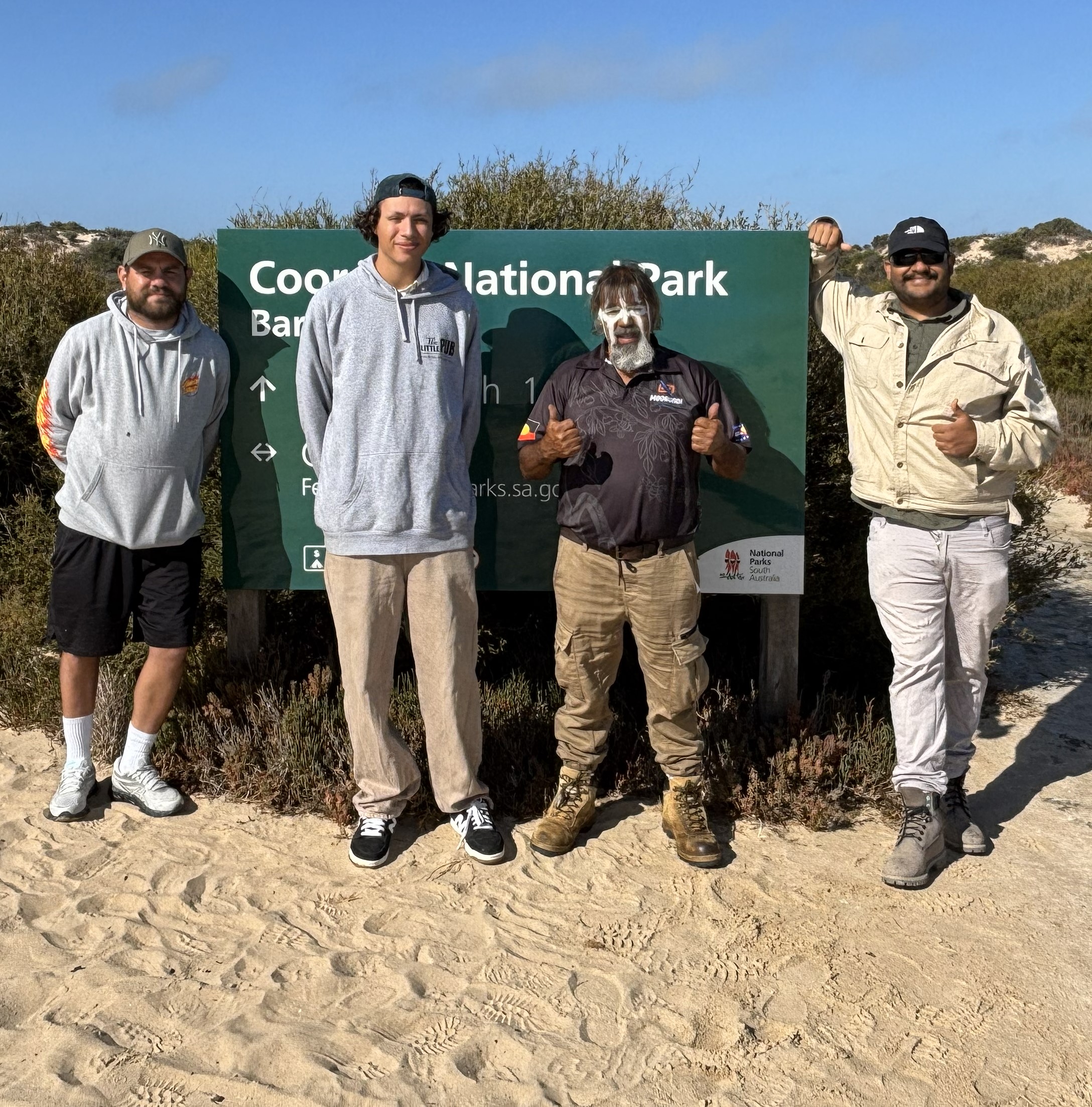
The CLLMM Research Centre has built a strong relationship with the Ngarrindjeri Nation and the First Nations of the Southeast, who have long nurtured and protected these lands, waters and communities. We recognise and respect their continuing connection to Country and are grateful for the knowledge and wisdom they share in caring for these places.
By respecting and learning from community, the CLLMM Research Centre stands alongside First Nations Peoples in protecting and sustaining these lands and waters for future generations.