Ocean beaches are central to life in the Coorong, Lower Lakes and Murray Mouth (CLLMM) region. They support wildlife, underpin local fisheries and offer space for recreation, reflection and connection to nature.
Despite their importance, our understanding of these beaches has remained fragmented. Research has tended to focus on individual elements such as fisheries or shorebirds, without capturing how beaches function as whole systems over time, or how people use and value them.
The Ocean beach ecology and threats project team set out to address this gap, bringing together existing research with new insights from the community. By reviewing more than 80 studies, surveying around 200 beach users and conducting in-depth interviews, the team has built a more complete picture of CLLMM’s ocean beaches. Here’s what they found.
How do people use CLLMM’s ocean beaches?
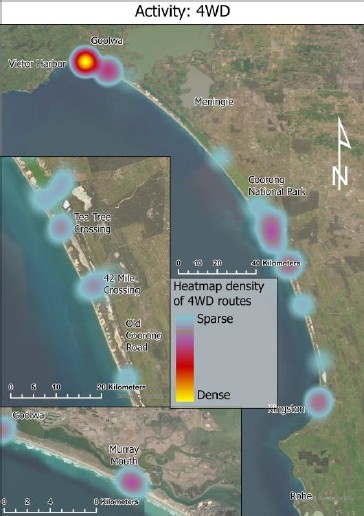
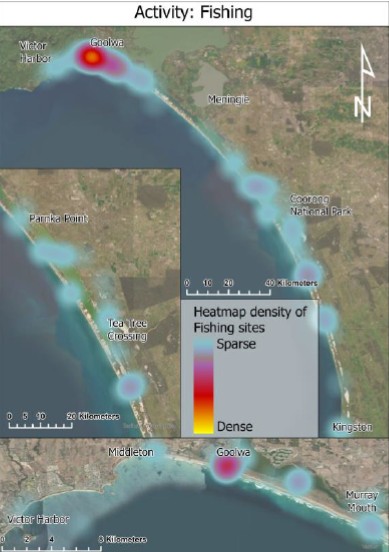
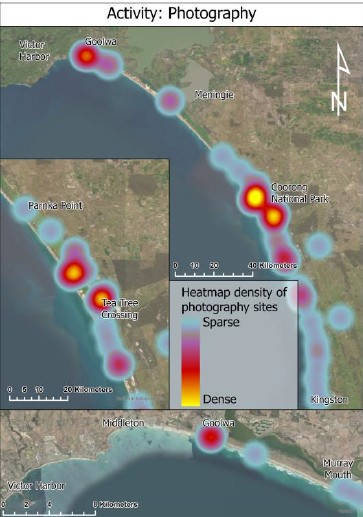
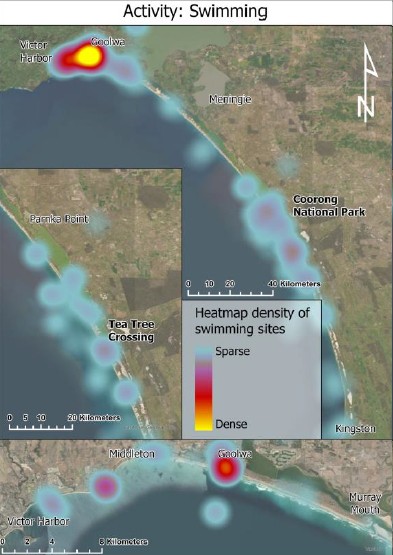
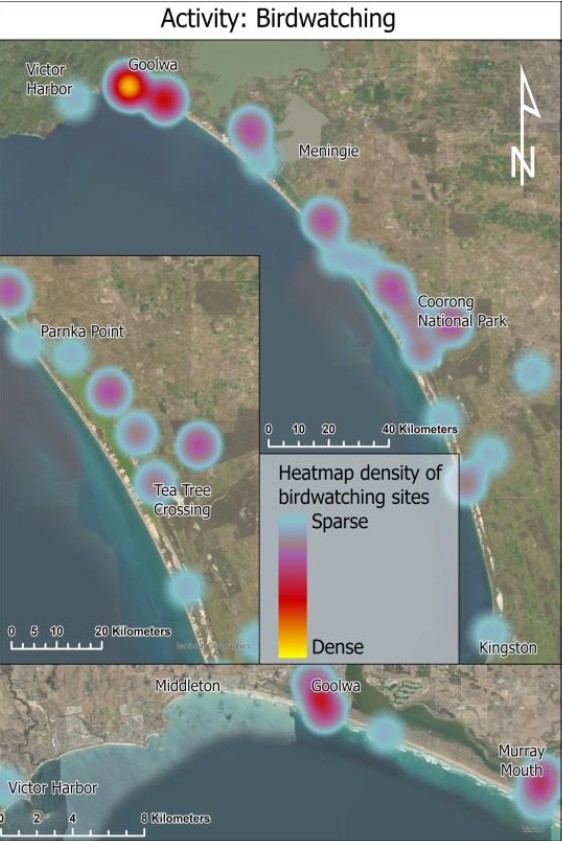
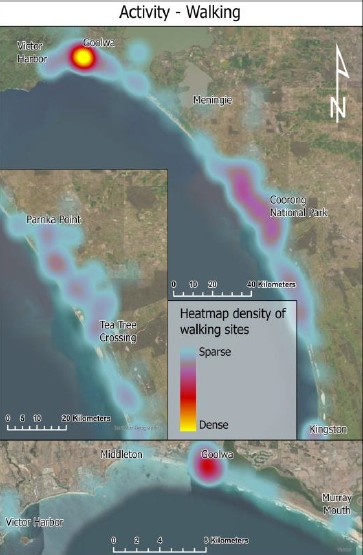
Walking, swimming and picnicking were the most popular beach activities among survey respondents. Many people also used the beaches for four-wheel driving, photography, fishing and birdwatching. Sailing, camping, knee-boarding, beach sports, sandcastle building, weeding and cleaning up rubbish also made the list, as did rescuing 4WDrivers!
What do people value about CLLMM’s ocean beaches?
The CLLMM region is known for its long stretches of wild coastline, including Australia’s longest coastal dune system, and it’s not surprising that 98% of people named scenery as their primary, or most important, value.
Conservation and challenge or adventure were the most common secondary values. Most visitors to the beach were motivated by getting outdoors to experience the sounds and smells of nature and enjoying the scenery. Spending time with family, reducing stress and the opportunity to engage in specific activities were also important to people.
Most people identified solitude, quiet, or minimal development as an important reason why they enjoyed the beach. The theme was often referred to in the context of profound emotional connection and freedom.
“Just the quietness. And the capacity to look out to sea and you don’t know what you’re going to see.”
“…what I value about it is just the environment itself. Being able to drive along the beach and find a little spot for yourself and enjoy it.”
The team’s research suggested that CLLMM is likely to be associated with strong place attachment. Strong place attachment is the emotional and functional bond between people and their environment.
People with a strong place attachment are more likely to take action that supports environmental protection. The research suggests that strong place attachment in the CLLMM region could play an important role in supporting future environmental stewardship.
What did people think were the biggest threats to ocean beaches?
Pollution and human disturbance were perceived as the biggest threats to ocean beaches by our survey respondents, followed by climate change, beach driving and invasive species.
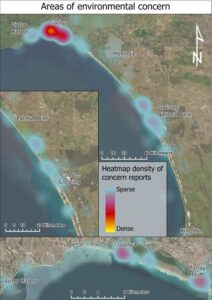
Concern about vehicle use was particularly strong, with 78% of participants worried about long-term environmental damage. There was also strong support for management measures, including limits on vehicle numbers (87.6%) and permit systems that penalise irresponsible driving (82.2%).
These findings highlight the complexity of managing ocean beaches. Activities like beach driving enable access and enjoyment but can also contribute to environmental degradation. Balancing these competing values will be key to maintaining what people value most about these places.
Where to from here?
The research brings together, for the first time, a more complete picture of how ocean beaches in the CLLMM region are used and valued. The findings provide a stronger foundation for future decision-making, helping to align scientific knowledge and potential management strategies with community values and expectations.
The team’s work has also highlighted important gaps. Existing knowledge is spread across ecological, physical and social studies, but is rarely brought together in a way that supports coordinated management. Strengthening this integration and ensuring ocean beaches are included in ongoing research and monitoring, is a key recommendation.
First Nations perspectives were also largely missing from the literature, despite the strong and ongoing connections between people and ocean beach environments in the CLLMM region. For the Ngarrindjeri and other First Nations Peoples, these coastal areas are not just places where resources are used, but are sites deeply connected to culture, identity, sense of responsibility, and relationships with Country.
Want to learn more? The team will be publishing their findings shortly – keep an eye on our newsletter for more updates.