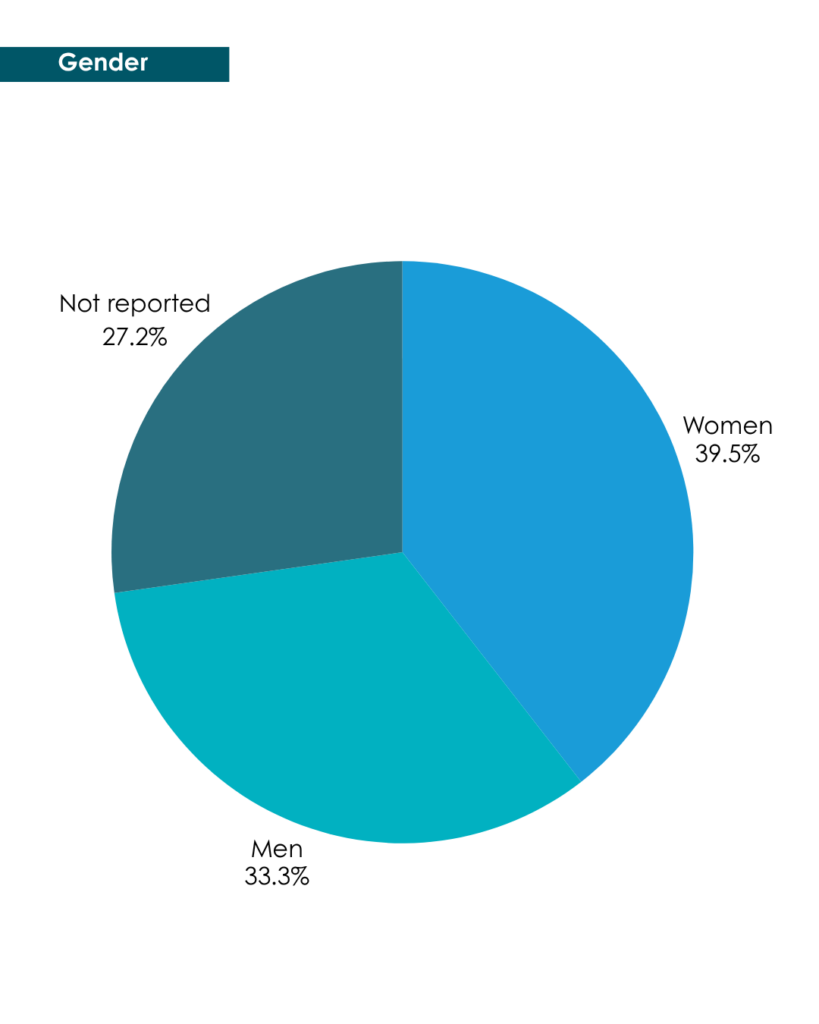
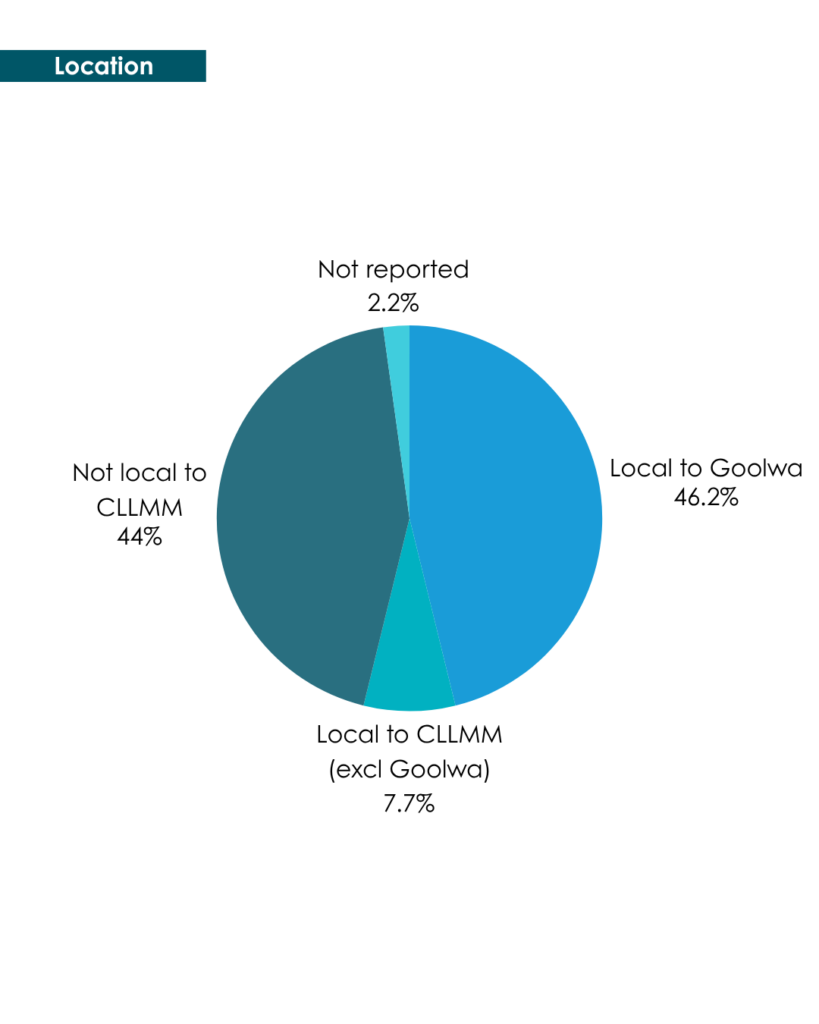
More than 600 people took part in our horizon scan survey last year, sharing what they thought were the biggest challenges and opportunities for the region over the next 15 years.
Horizon scanning is a way of consulting with communities to help address the gap between researcher and community knowledge. It’s a technique used to guide future research, inform decision-making and support communities to shape a resilient future.
The CLLMM Research Centre used the horizon scan survey technique to consult with community and First Nations about opportunities and challenges for the region. The survey also asked people what they thought will be the most important and novel research questions in the region for the next 15 years.
Challenges for the region
Survey participants reported a diverse range of challenges, and the Horizon scan project team identified 43 different themes within the data.
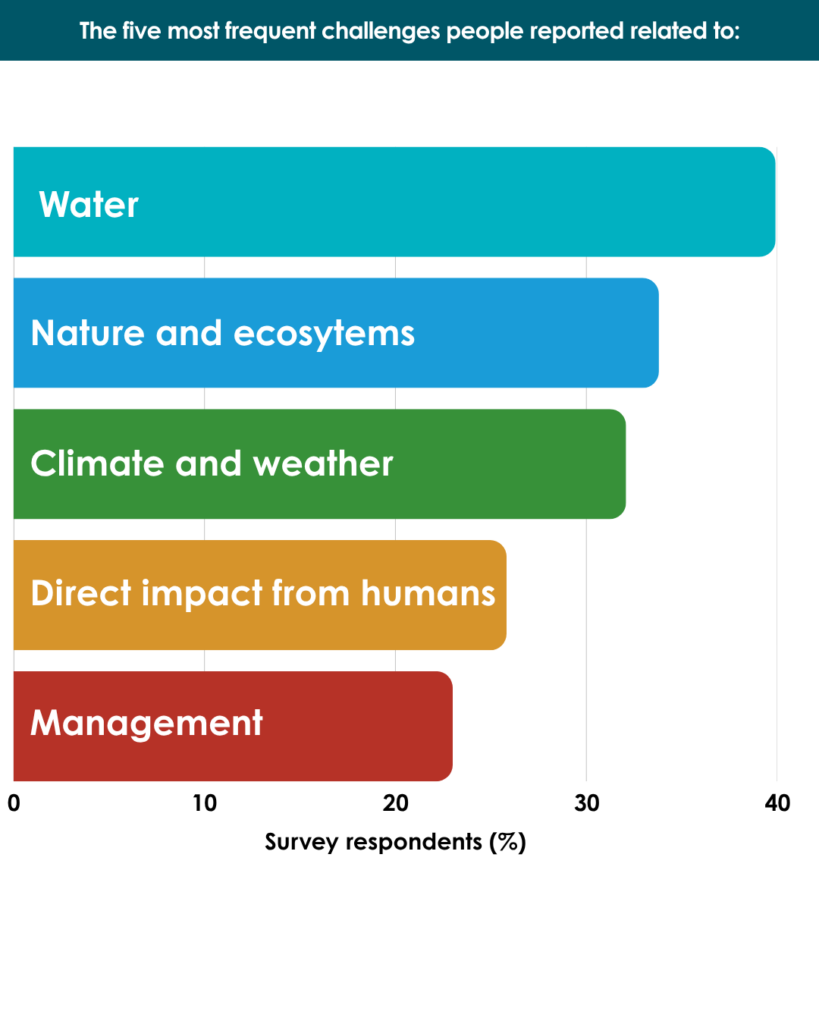
At a high level, the five most frequent challenges related to:
- Water (39.91%)
- Nature and ecosystems (33.80%)
- Climate and weather (32.08%)
- Direct impacts from humans (25.82%)
- Management (23.00%)
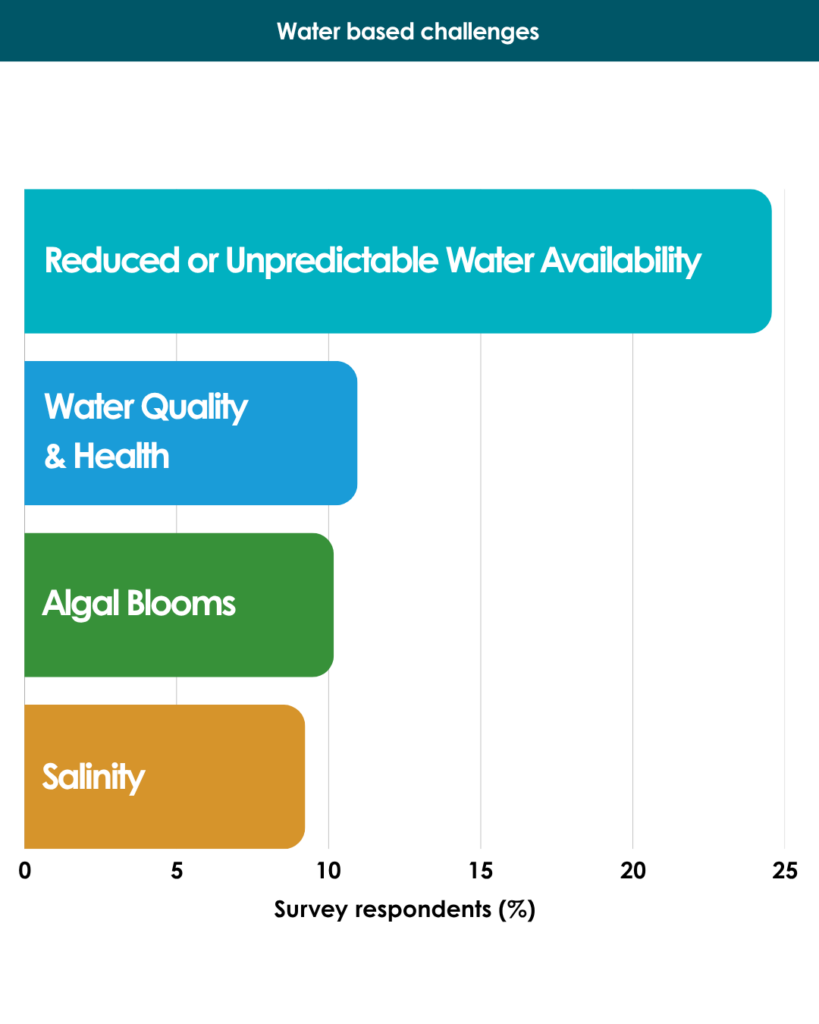
Water-based challenges included things like reduced or unpredictable water availability, water quality and health, algal blooms, and salinity.
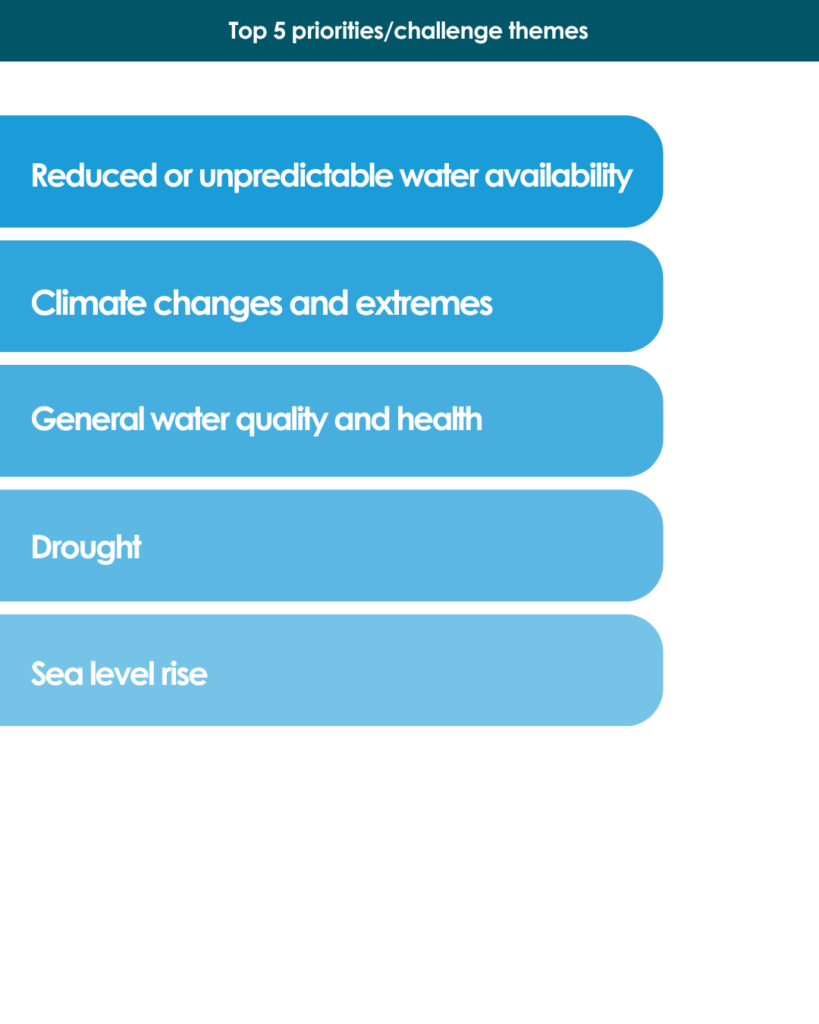
The project team also facilitated a horizon scan workshop and interviewed key collaborators to dive deeper into the survey data and prioritise the challenges. The top 5 priorities or challenge themes that emerged from this process were:
- Reduced or unpredictable water availability
- General water quality and health
- Climate changes and extremes
- Drought
- Sea level rise
Opportunities for the region
In the Horizon scan survey, people were asked: What are the biggest productive or positive opportunities for the region in the next 15 years?
There were many different answers to this question. Community and sociocultural opportunities were identified most often (54.92%), with opportunities centring around education and science communication (18.15%) and community collaboration (17.68%) the most popular in this theme.
The second most popular theme focused on economic opportunities for the region. Tourism (17.68%) was the most identified opportunity in this category.
The opportunities broadly fit into 9 different themes:
- Community and sociocultural
- Economic
- Environmental
- Governance and management
- Research and innovation
- Other
- Human impact mitigation
- Water
- Recreation
What research is most needed?
Survey participants were asked: What are the most important and novel (i.e., unasked and unaddressed) research questions in the CLLMM region in the next fifteen years?
Participants most frequently answered this with questions around biodiversity (25.20%).
“How can we improve/rehabilitate the surrounding plant and animal life in our waters such that a healthy balance is restored?”
“What changes are occurring annually in fish stocks, what issues are evident and what should be done to address them?”
The next most popular topic was water and water systems health (16.59%), with people asking questions like: “What would a healthy but variable estuarine Lower Lakes ecosystem look like?” and “how to cycle the water level in lakes to encourage restoration [sic]”.
Overall, the responses could be categorised into seven different themes (38 subthemes), which shows that participants responded with very diverse suggestions.
Main research question themes
- Research and interventions
- Industry and energy
- Community wellbeing and collaboration
- Environmental
- Future proofing
- Big picture/system interactions
- Other
What does this mean for the region’s future?
The Horizon scan survey results highlight the region’s complexity, with many different themes emerging from the data.
The top five challenges, opportunities and novel questions identified by community fell into five main categories:
- water security and system management
- climate change and future extremes
- ecosystems, biodiversity, and fauna
- environmental protection, rehabilitation, and restoration
- human systems, governance, and community engagement
The project’s findings provide solid instructions on the future research projects that will address the region’s priorities.
Research directed in these areas will help us better understand how the CLLMM may change in the future, support conservation and restoration efforts, strengthen partnerships and community involvement, and improve the way science is shared and used.
Ultimately, this knowledge will help the community and decision-makers navigate uncertainty and take action to support a healthy and resilient future for the region.
Want to learn more? Visit the Horizon Scanning project page and make sure you sign up to our newsletter to be the first to know when the final report is released.