The Coorong, Lower Lakes and Murray Mouth (CLLMM) region is one of Australia’s most important waterbird habitats, supporting more than 140 species and between 100,000 and 300,000 birds each year. Many of these are migratory travellers along the East Asian–Australasian Flyway, and their presence has been central to the region’s listing as a Wetland of International Importance under the Ramsar Convention.
However, waterbird populations are declining globally, including within CLLMM, due to habitat change and human disturbance. In response, the CLLMM Research Centre’s Waterbird conservation project brought together researchers, community members and local knowledge holders to identify priority research that could better support the region’s birdlife.
Two resulting projects have provided new insights into the pressures facing beach-nesting species and introduced innovative ways to monitor bird health.
Threats to beach-nesting birds
Beach-nesting species reproduce along the region’s beaches and dunes, where eggs and chicks are exposed to a range of risks. These include predation, tidal inundation and extreme weather events, as well as human disturbance, which can cause adults to abandon nests or reduce their ability to protect them.
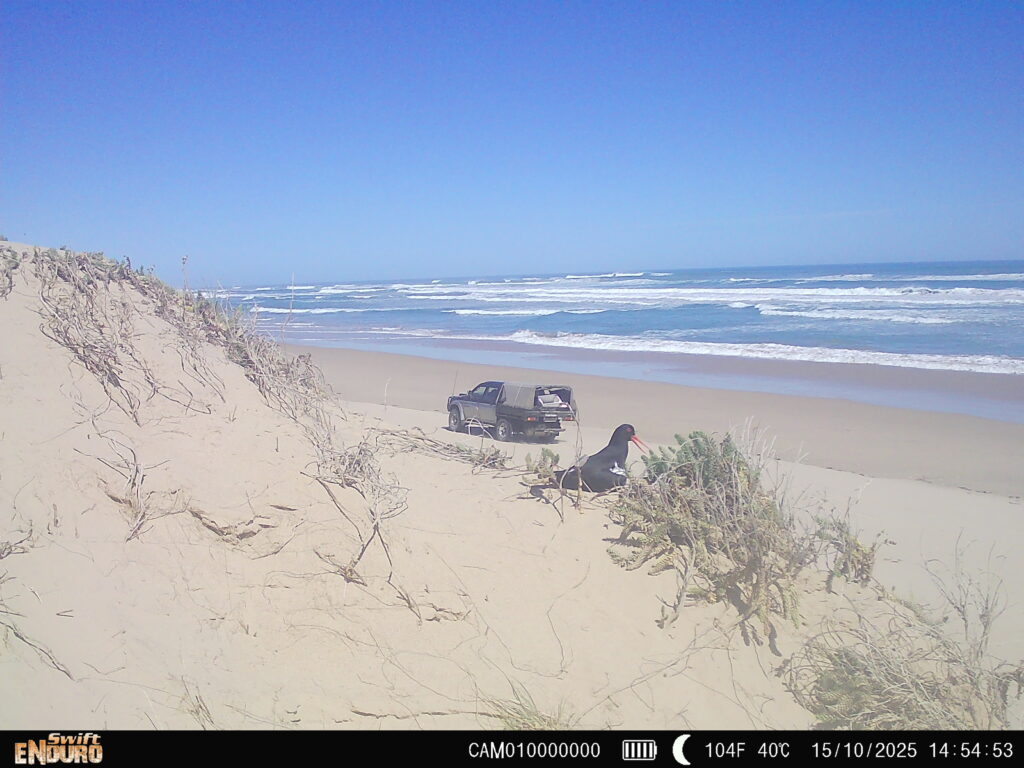
To better understand these pressures, researchers used trail cameras to monitor vehicle traffic and pied oystercatcher nests along Coorong Ocean Beach during the 2024–25 breeding season. GPS units were also attached to adult birds to track their movements.
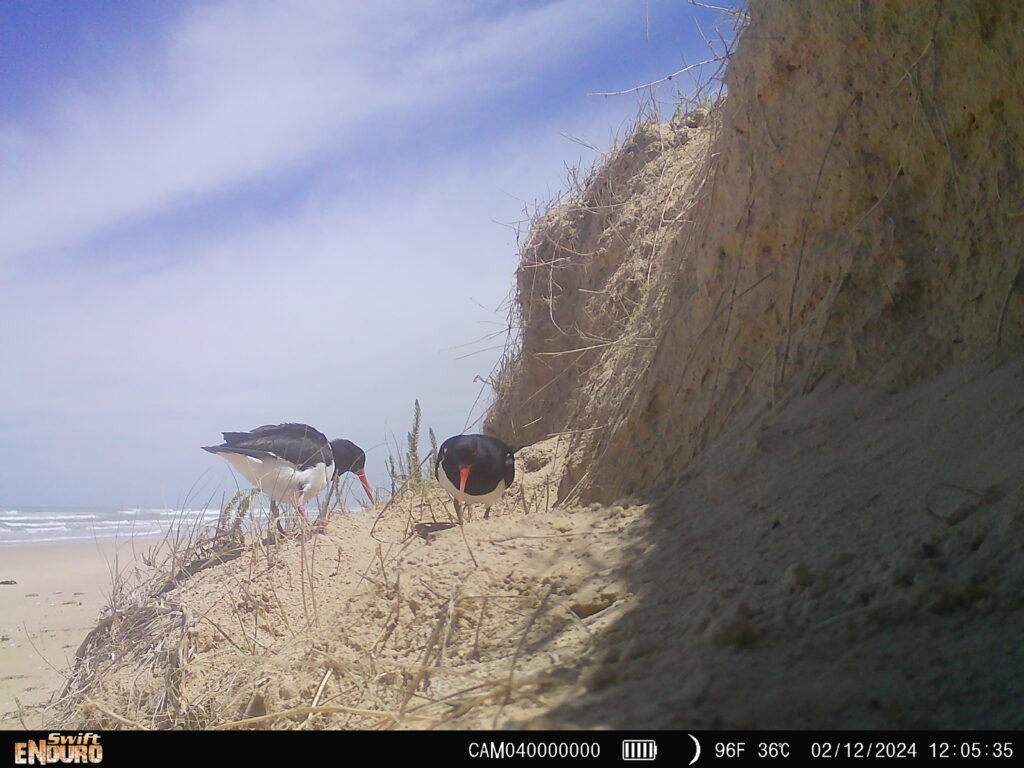
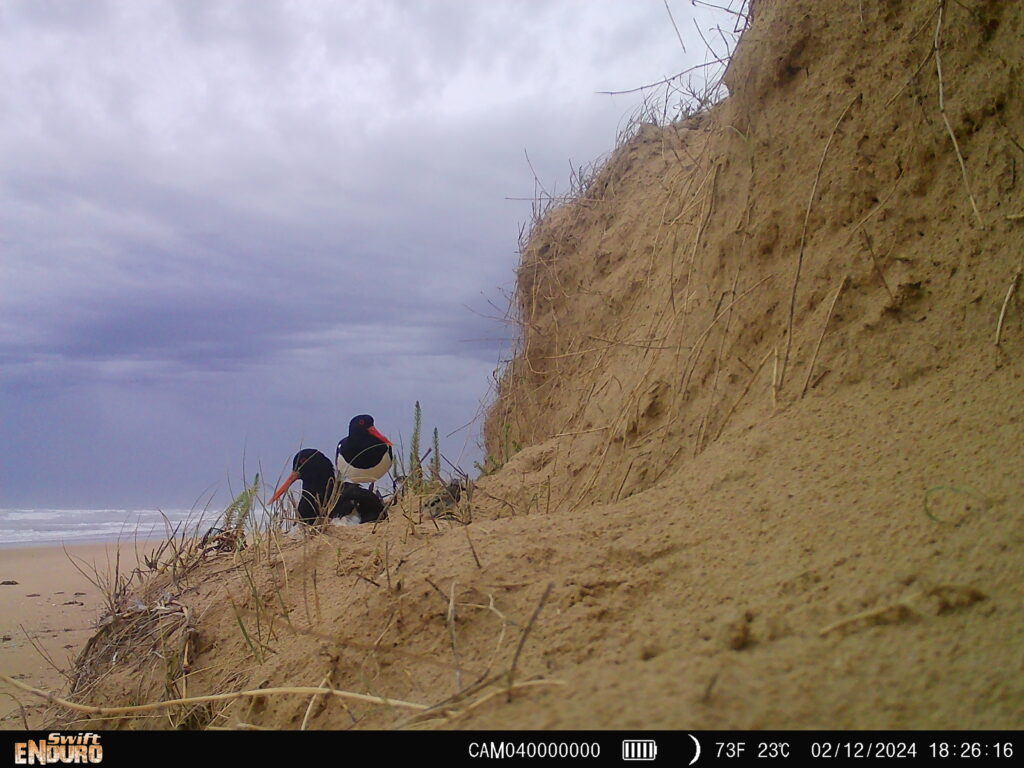
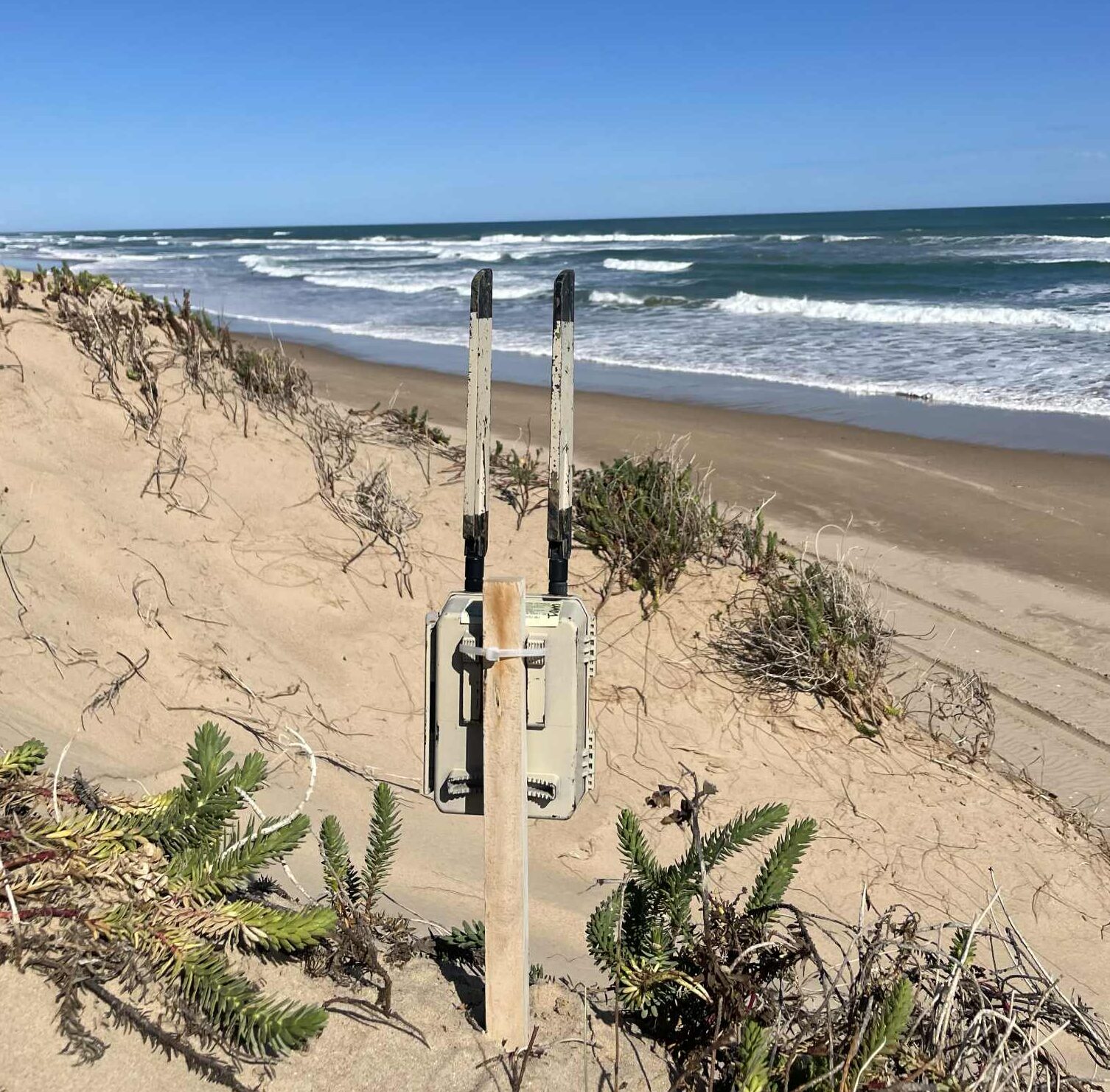
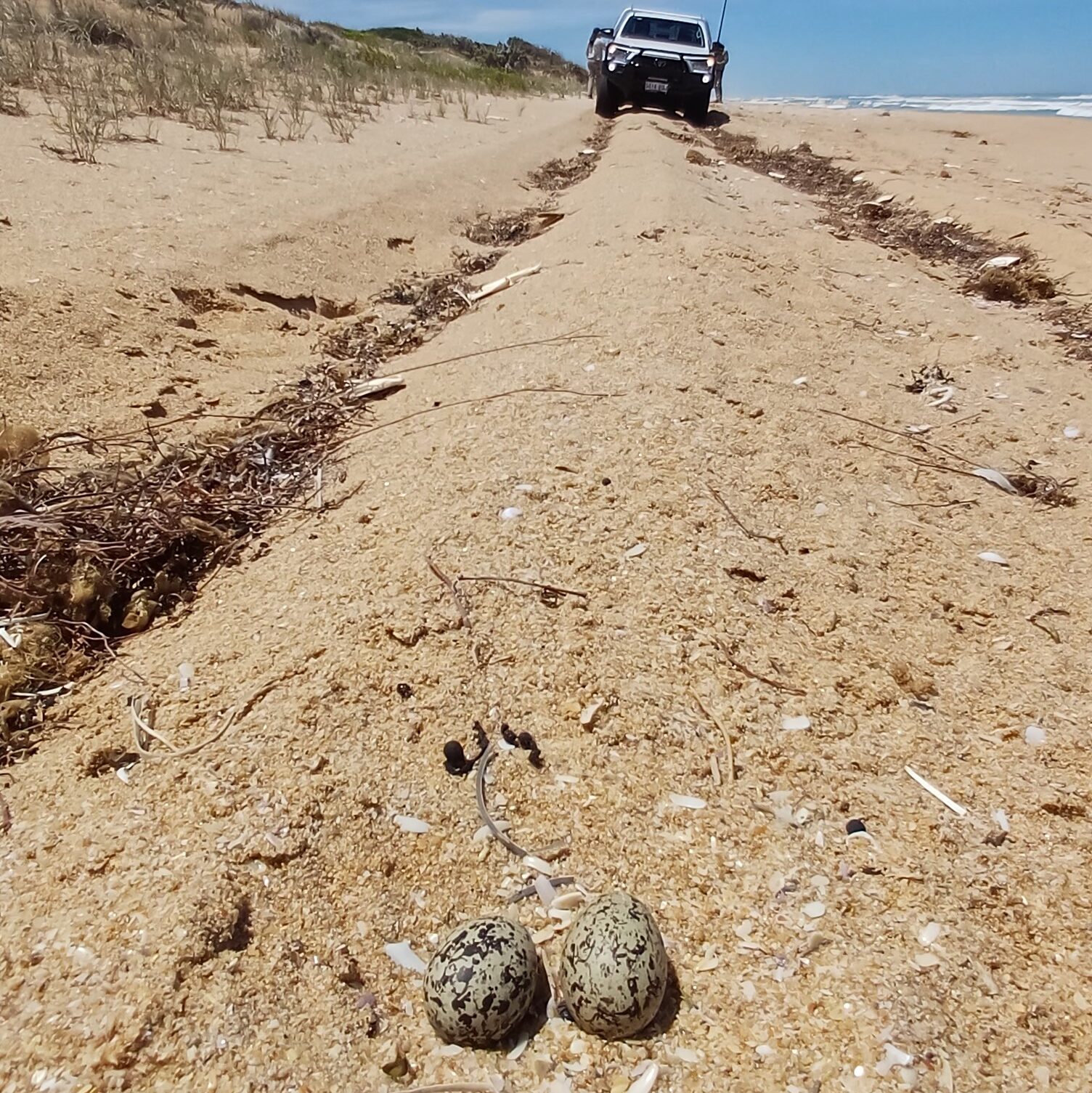
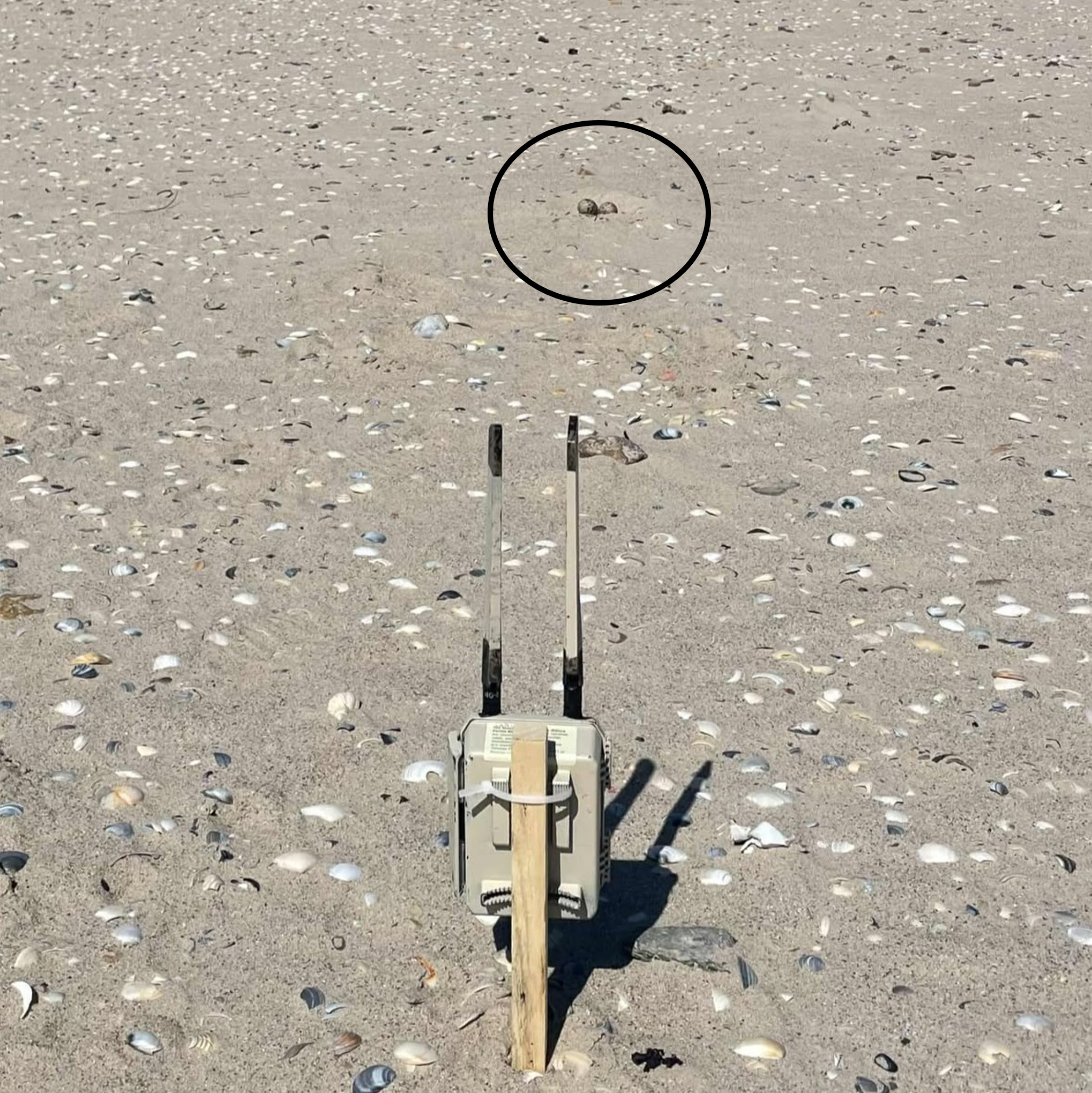
The Coorong’s pied oystercatcher population is considered internationally significant, with 550 individuals recorded across the lagoon and Ocean Beach in 2008 (>4% of the global population).
Vehicle traffic was relatively low during the October to December 2024 closure period but increased over summer, peaking at around 18 vehicles per day in late December and early January.
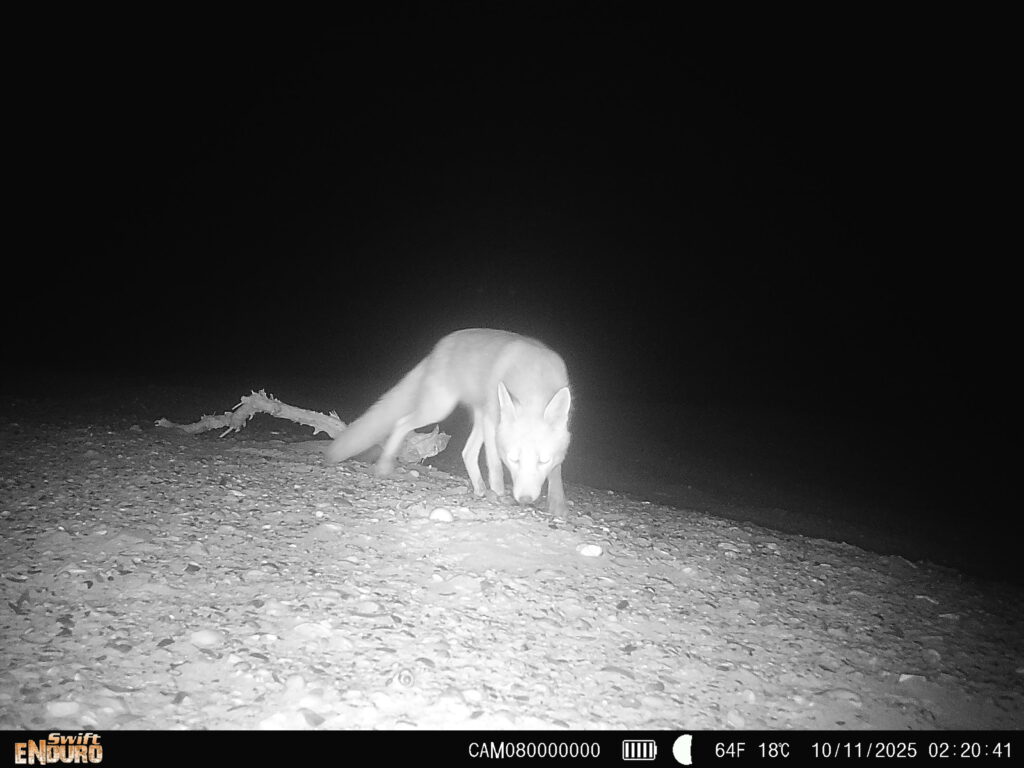
Predation by foxes was the leading cause of nest failure, accounting for around 25 per cent of losses. Nest survival also declined over time, possibly as predators became more adept at locating nests. Additional threats included high tides and predation by birds of prey. Overall, approximately 37.5 per cent of monitored nests successfully produced at least one chick.
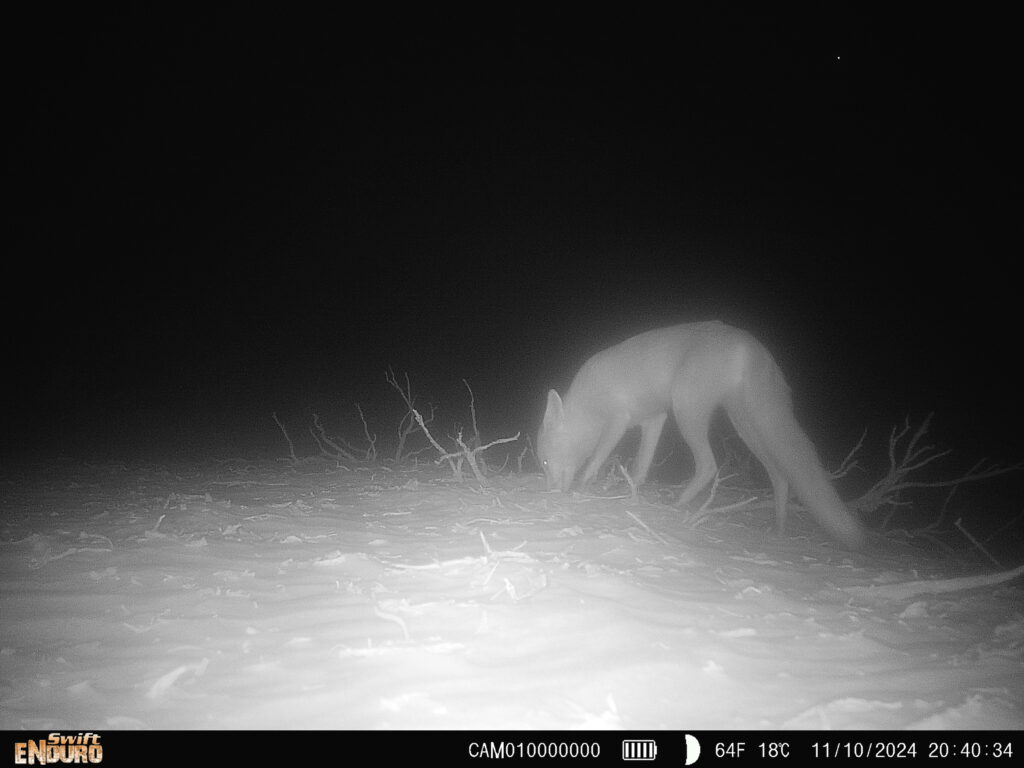
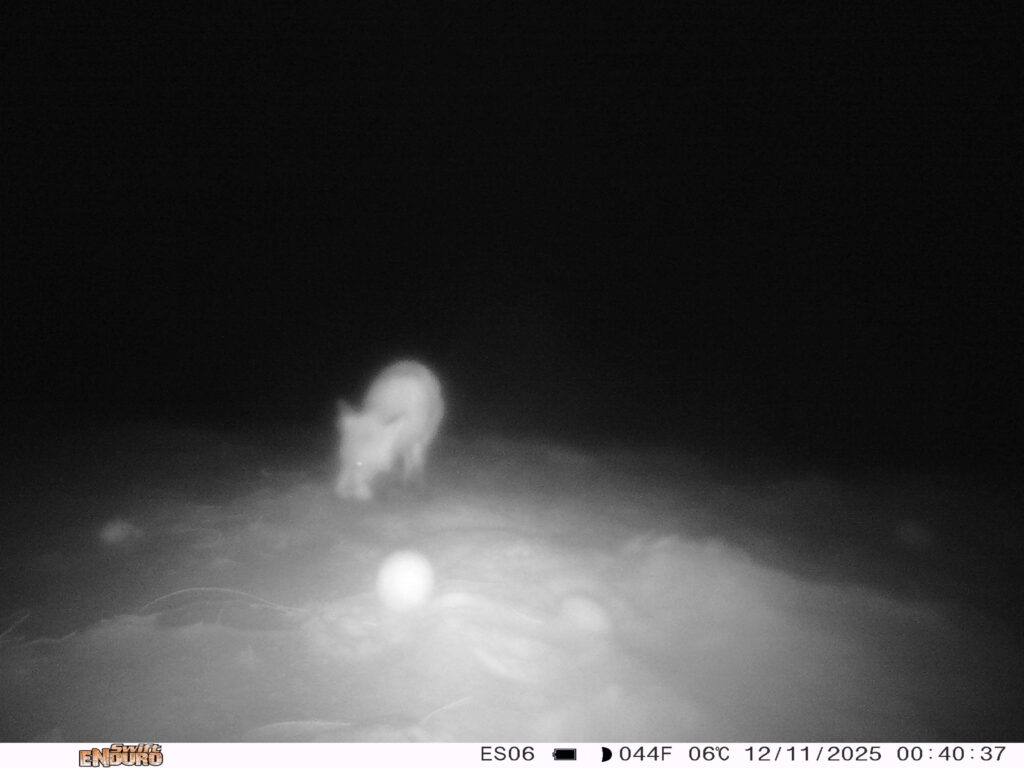
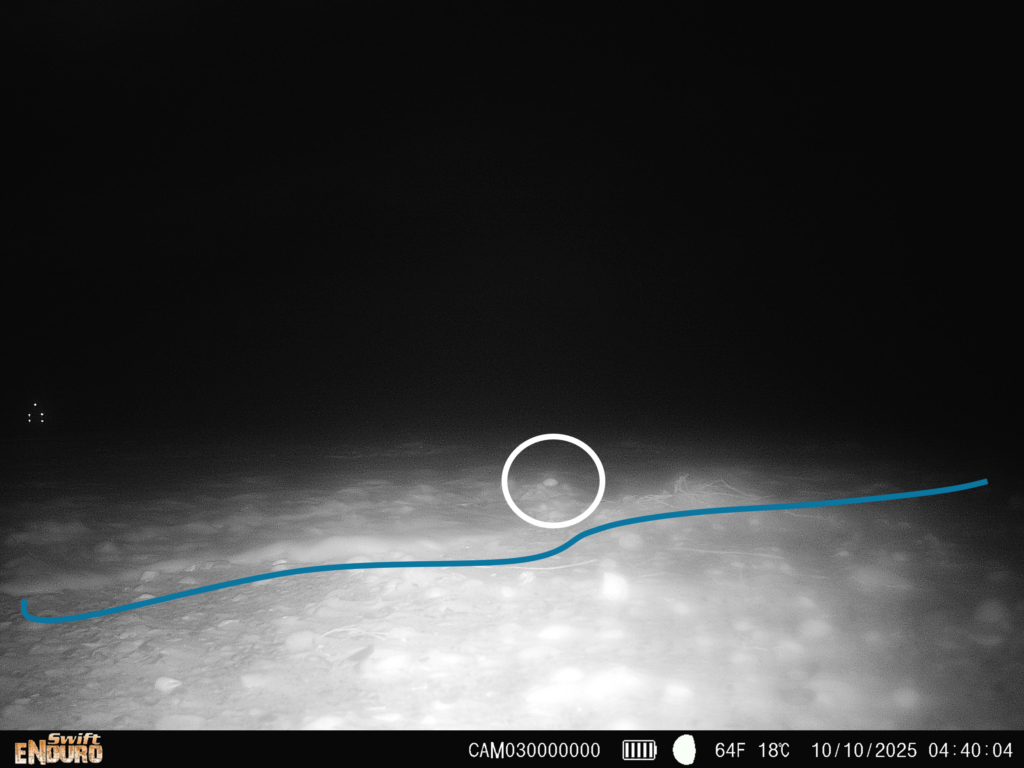
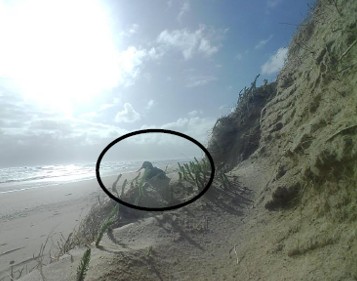
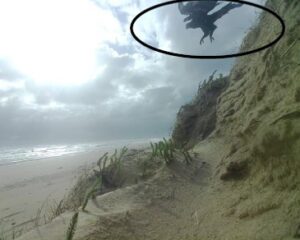
Individual bird movement varied significantly, with some remaining close to the Murray Mouth and others travelling more than 40 kilometres. All of tagged pied oystercatchers stayed within the Coorong Ocean Beach/North Lagoon. Although some birds moved over large distances, almost all birds avoided Goolwa Beach, where vehicle access is permitted year-round and dogs are allowed off leash.
These findings highlight the importance of targeted management actions, including predator control and careful management of human activity in sensitive nesting areas.
Monitoring bird health using community science
Alongside understanding threats, researchers also explored new ways to assess bird health. Body condition is a critical indicator of food levels, survival, migration success and breeding outcomes, but has traditionally required capturing birds.
To develop a less invasive approach, the research team combined community-sourced photographs with machine learning. Over two migratory seasons, community members contributed images of shorebirds, which were then assessed by an expert and used to train an automated system. A professional photographer was employed in the second season to help cover gaps in the database and continue to train the program.
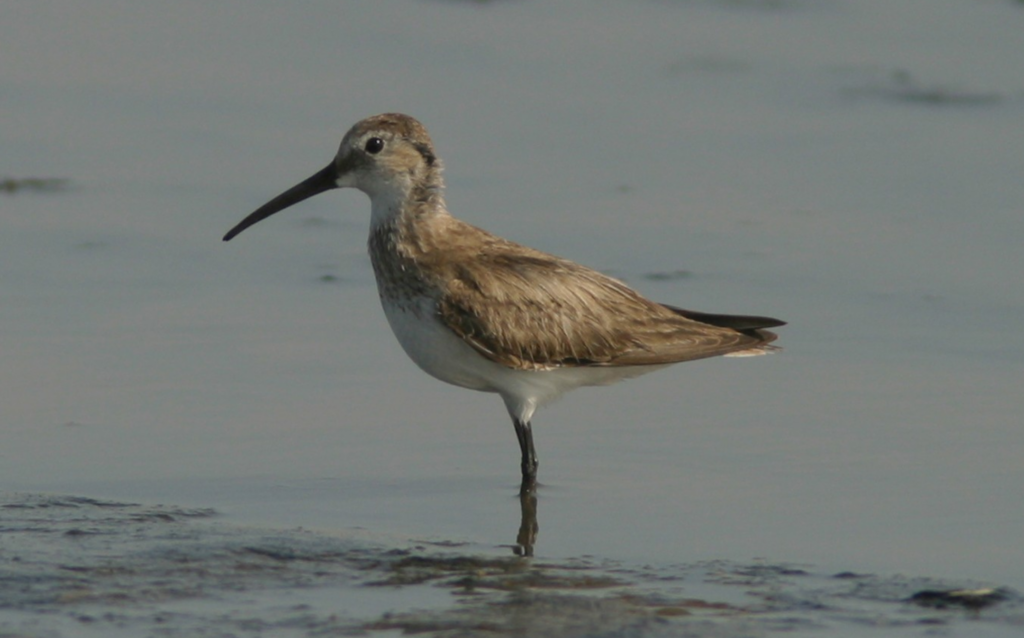
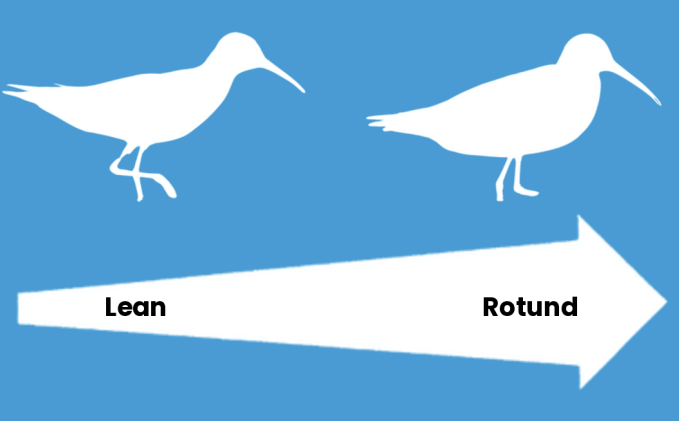
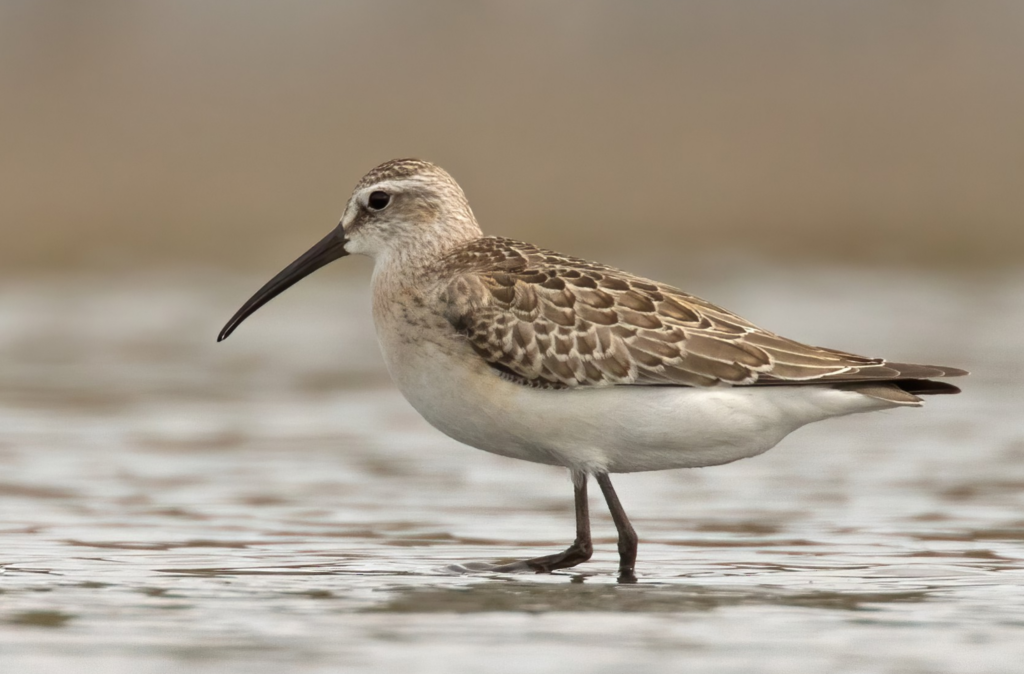
The team’s automated body condition scoring pipeline was able to accurately classify birds across different condition categories. It proved more transparent, generalisable and scalable than previous methods, and can also be independently audited.
The research also revealed variation in bird condition across species, seasons and locations. For example, sharp-tailed sandpipers at Tolderol were mostly in above-average condition in 2025, while a greater proportion of lower-condition individuals was observed in early 2026.
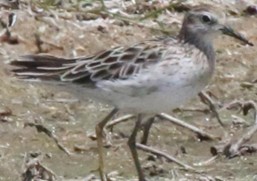
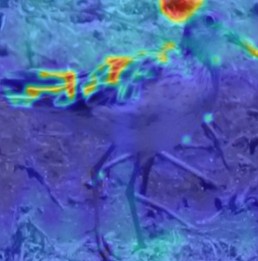
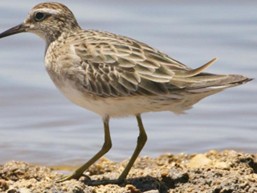
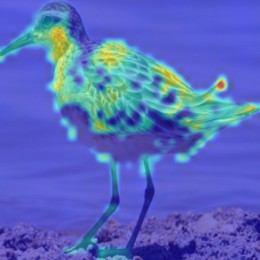
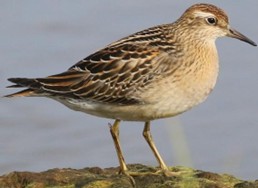
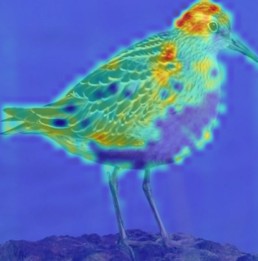
Now that this new method has proved successful, the team hope to keep building on this pilot program that can help ecologists rapidly assess bird body condition across large geographic areas.
Informing future conservation
Together, these projects provide valuable evidence to guide future waterbird conservation and management in CLLMM. They demonstrate how community involvement, new technology and targeted field research can improve understanding of both bird health and the pressures affecting breeding success.
Find out more about the Waterbird conservation research project.