What are they and why do they matter?
Wetlands can be characterised as blue carbon (marine) or teal carbon (freshwater) ecosystems. These blue and teal carbon wetlands can help reduce climate change impacts by locking up greenhouse gas in plants and soil.
The CLLMM region has large areas of blue and teal carbon wetlands. But we don’t know how much carbon they capture and store, what benefits their restoration would have, or if they can help to reduce the impacts of climate change.
Professor Sabine Dittmann (Flinders University) and her team in the Blue and teal carbon potential in the CLLMM project have been working to change that.
“We measured the carbon stocks in the biomass and soil of saltmarsh, swamp paperbark and reedbeds throughout the CLLMM region. These wetlands, often seen as wastelands, have important ecological functions and ecosystem services and deserve appreciation,” said Prof Dittmann.
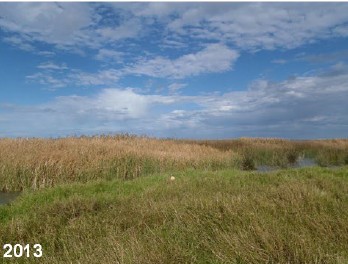
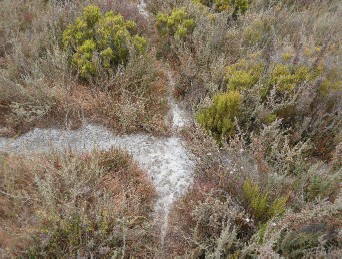
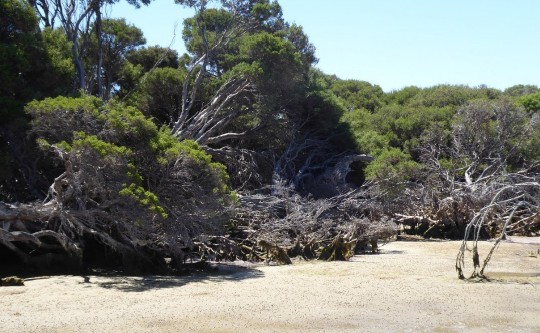
Overall, the team estimated that there are over 3.37 million tonnes of blue and teal carbon stocks within the CLLMM region. Reedbeds in the lakes accounted for most of the total organic carbon stock, followed by swamp paperbarks and saltmarsh.
Wetland plant communities differed in their estimated carbons stocks (tonnes of carbon per hectare, t C/ha):
- Saltmarsh (plant: 7 t C/ha, soil: 41 t C/ha)
- Swamp paperbark (plant + roots: 127 t C/ha, soil 141 t C/ha)
- Lagoon reedbeds (plant + roots: 23 t C/ha, soil: 120 t C/ha)
- Lake reedbeds (plant + roots: 38 t C/ha, soil: 224 t C/ha)
“Swamp paperbark forests had carbon stock values that were comparable with mangroves in other parts of southern Australia. That was higher than what I anticipated,” Prof Dittmann said.
Blue carbon research has primarily focused on mangrove ecosystems, so the team’s work on different wetland vegetation and soil in CLLMM is a big step forward. It has laid the foundation for future research and wetland restoration projects, including those with a focus on Australian Carbon Credit Units (a tradeable financial product).
The team also evaluated swamp paperbark and saltmarsh revegetation programs and found that organic carbon storage can be increased over time. Estimated carbon stocks were also generally higher in restored and natural wetland sites than those that were degraded. Plant diversity was also higher in natural and restored reedbed and saltmarsh than at degraded sites.
These are all encouraging findings for future restoration and revegetation programs and highlight the importance of protecting existing wetlands.
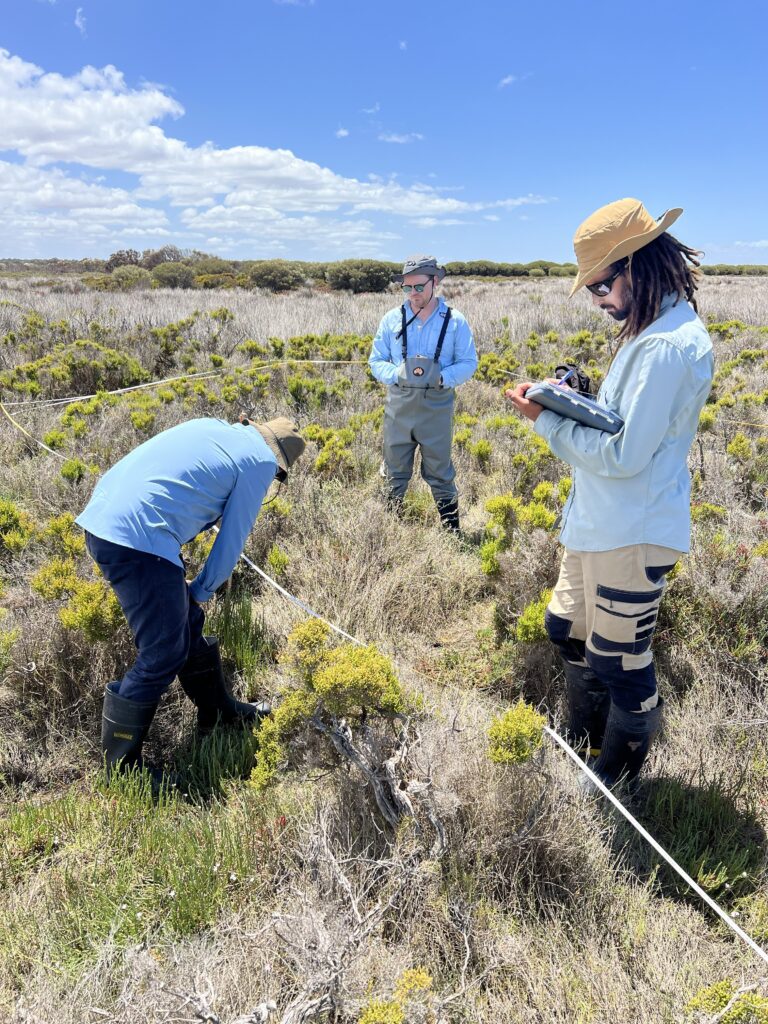
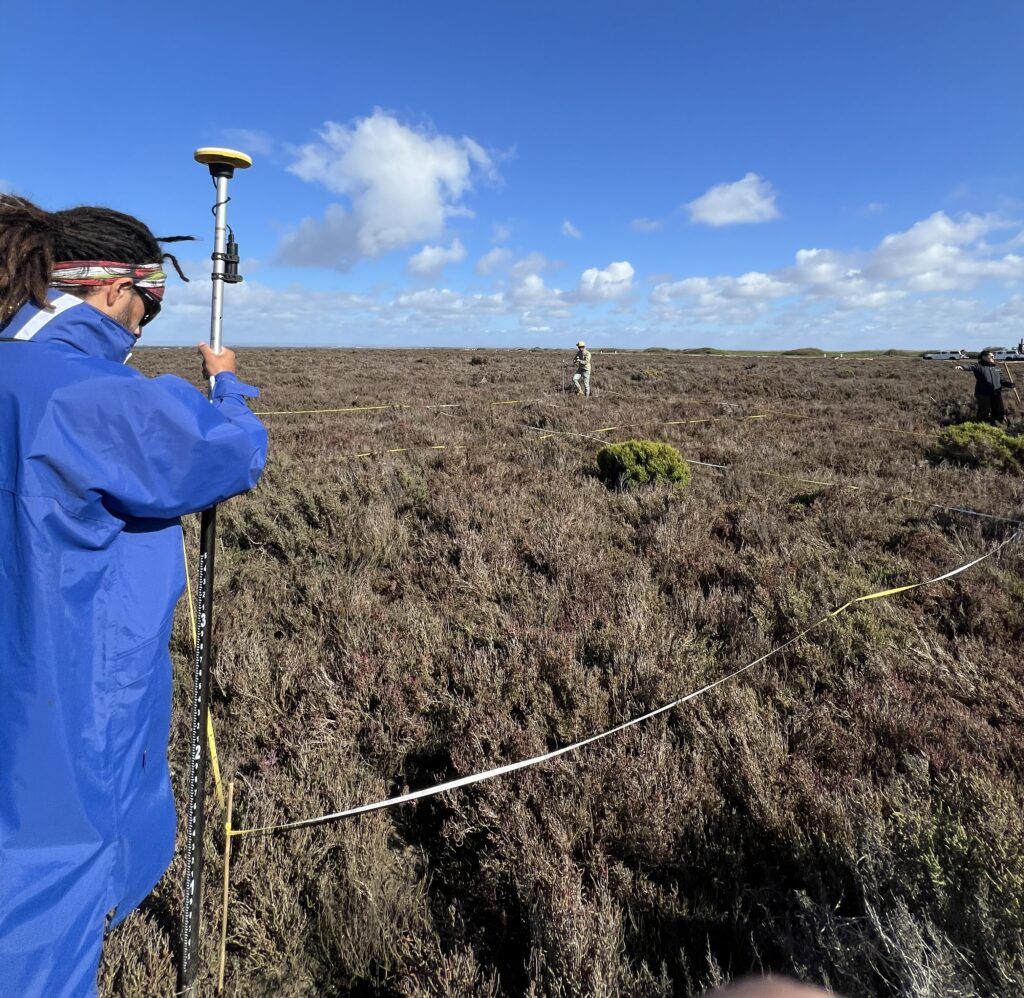
“Blue and teal carbon ecosystems play an important role in reducing greenhouse gasses from the atmosphere,” said Prof Dittmann.
“Protecting and restoring these environments will help to mitigate global warming. There are also benefits for people, as these environments provide resources, are culturally significant, and could lower shoreline erosion.”
As part of their research, the project team also asked restoration, conservation and land management practitioners what they valued about CLLMM’s blue and teal carbon ecosystems.
Practitioners viewed maintaining these ecosystems, as well as the wider CLLMM landscape, by being on and Caring for Country and Sea Country (Ngarrindjeri Ruwe and Yarluwar Ruwe) as positively contributing to relational values, such as strengthening spiritual, ancestral and kinship ties. It was also seen as crucial for passing on knowledge and culture and supporting community wellbeing.
Practitioners spoke of CLLMM as a place where ancestral burial sites, as well as locations of cultural archaeological importance, are widespread.
Specific materials, used by Ngarrindjeri in a range of cultural practices as well as for economic and instrumental purposes, also held cultural, relational and instrumental values:
- Swamp paperbark wood used to make spears, its branches and foliage to make shelters, and its bark used for its antiseptic qualities.
- Reeds and rushes to produce baskets and nets for fishing and catching ducks. As well as nesting grounds for swans
- Reeds, sedges and rushes are also considered important for their contributions to spiritual, social and cultural values. For example, Ngarrindjeri women are widely recognised for their artistry in weaving.
If blue and teal carbon interventions are to embody these diverse values, they must be guided by an acknowledgement of the right to self-determination for Ngarrindjeri people as traditional custodians of the CLLMM region.
The Blue and teal carbon potential in the CLLMM project also:
- investigated the impact of different environmental factors on CLLMM’s blue and teal carbon ecosystems
- modelled how sea level rise could impact CLLMM’s wetlands under different climate change scenarios
- measured greenhouse gas flux in different wetlands
- explored wetland co-benefits, including shoreline protection and biodiversity
- developed case studies on the carbon abatement potential of blue and teal carbon ecosystems in the region.
The final project report detailing their findings will be published on the CLLMM website.
“Our findings can be used by environmental managers, council and also private landowners, to improve land use and develop restoration plans that protect and restore blue and teal carbon ecosystems,” said Prof Dittmann.