
Has the ecosystem changed 10 years on from large-scale revegetation in CLLMM?
A massive revegetation program was undertaken in the CLLMM region in response to the Millennium Drought (1996-2010). Over 5 million natives were planted in the region across 5 different vegetation communities (2011-2016) as part of the federal and state government-funded Coorong Lower Lakes Murray Mouth Recovery Program.
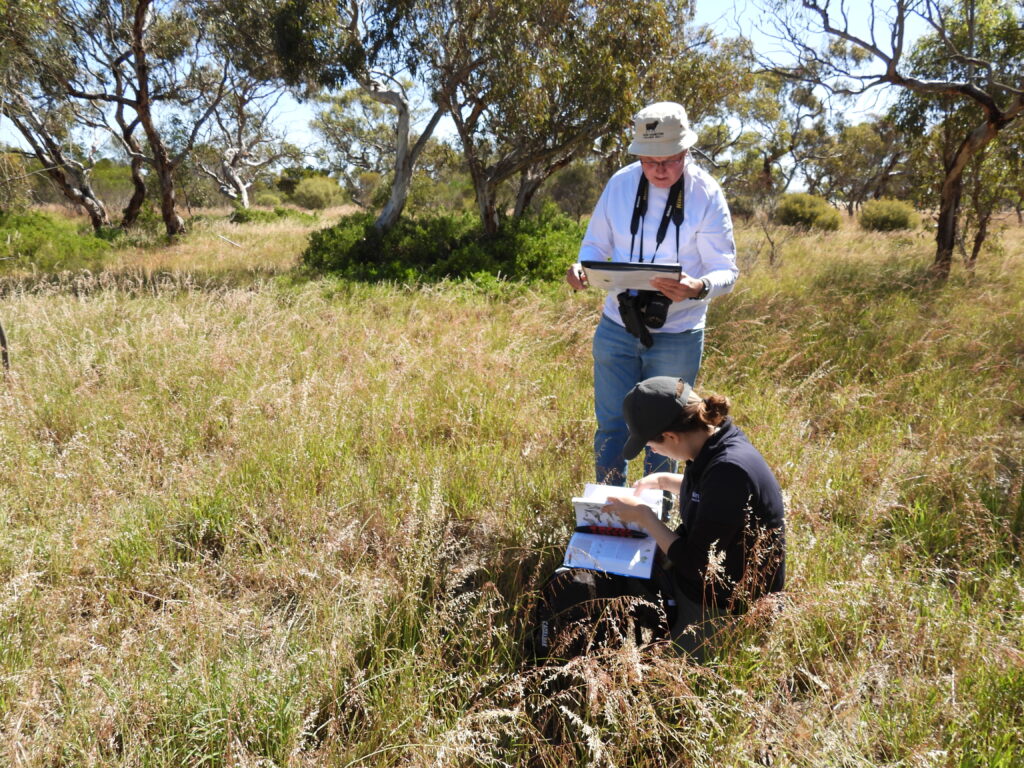
Ten years on, the CLLMM Research Centre’s landscape revegetation project is revisiting the revegetated sites (80 sites) as well as pockets of native scrub (20 remnant sites) to see what impact the program had on the ecosystem. Large-scale revegetation is seldom monitored, so it’s very important that we can learn how effective these plantings are over time and for ecosystem biodiversity.
The project team – which includes universities (Flinders, Melbourne and Adelaide), environmental organisations (AU2100, Second Nature Conservancy, Birdlife Australia, Nature Glenelg Trust), community groups (Hindmarsh Island Landcare and First Nations) and government (SARDI, Coorong District Council) – explored the effect of revegetation on plants, birds and soil biota.
How has the plant life changed?
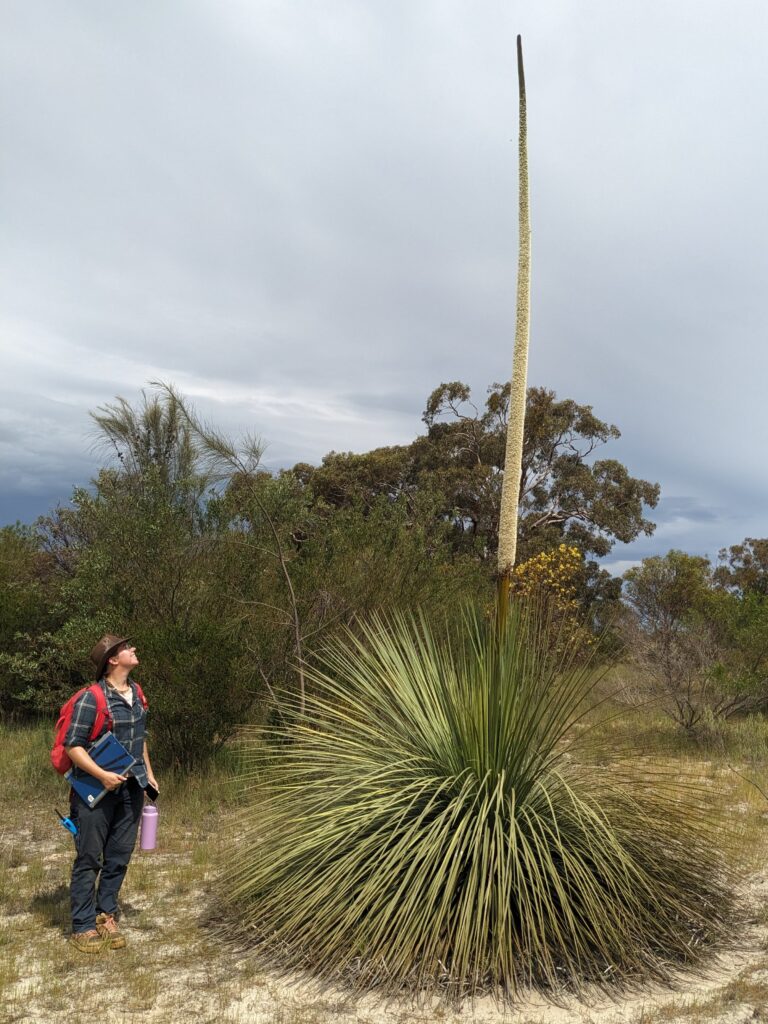
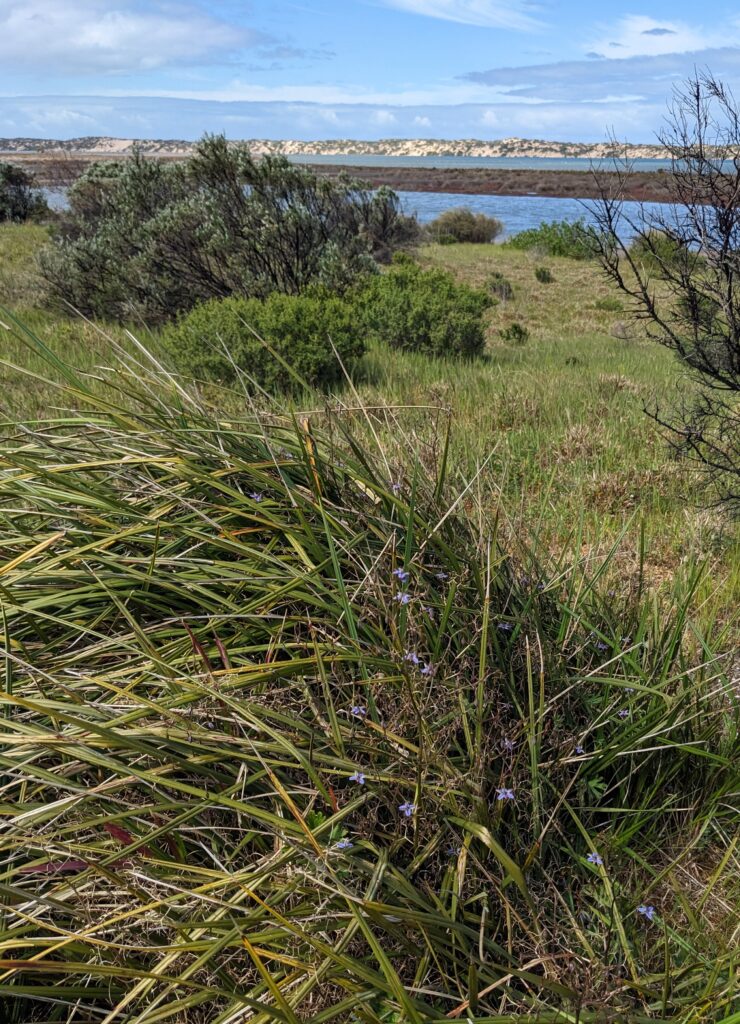
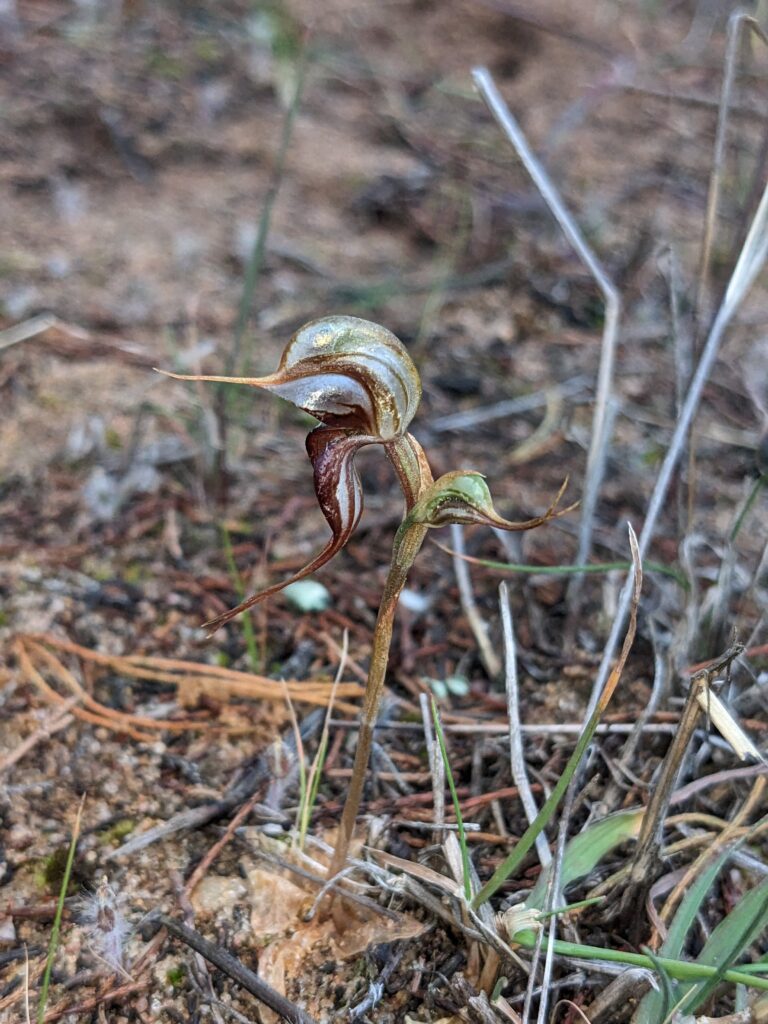
Plant diversity at revegetation sites had declined over the 10 years since planting, but these sites had also created habitat for other species, such as orchids and sundews. When the team compared revegetated to remnant bush sites, they found that even after 10 years, the plant communities differed.
Overall, the team found that:
- revegetated areas are surviving well and are growing and developing, even after some dry years
- new species like orchids, that were not planted during the initial revegetation, are starting to establish at revegetation sites
- coastal and salt-tolerant plant species seem to be doing better (saltbushes, ridge-fruited mallee, white mallee)
- wetter species and those related to the hills were not surviving so well (banksias, grasses, blue gum, brown stringybark and pink gum)
- it takes a long time for revegetated areas to start to resemble remnant bushland areas.
Birds, then and now
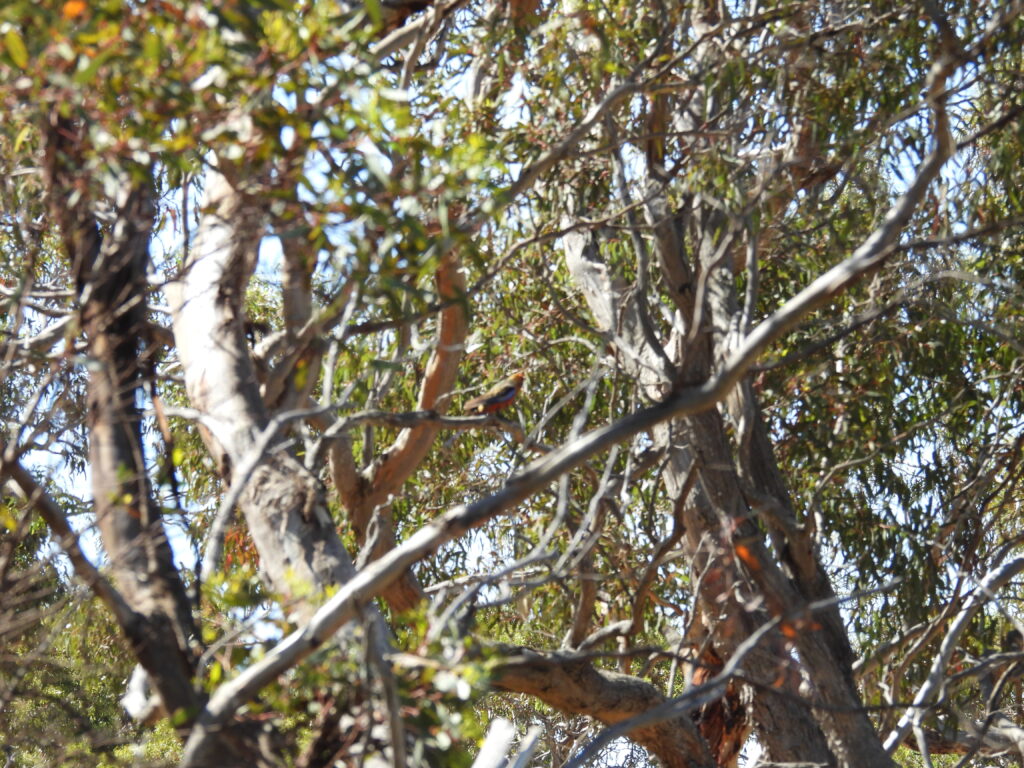
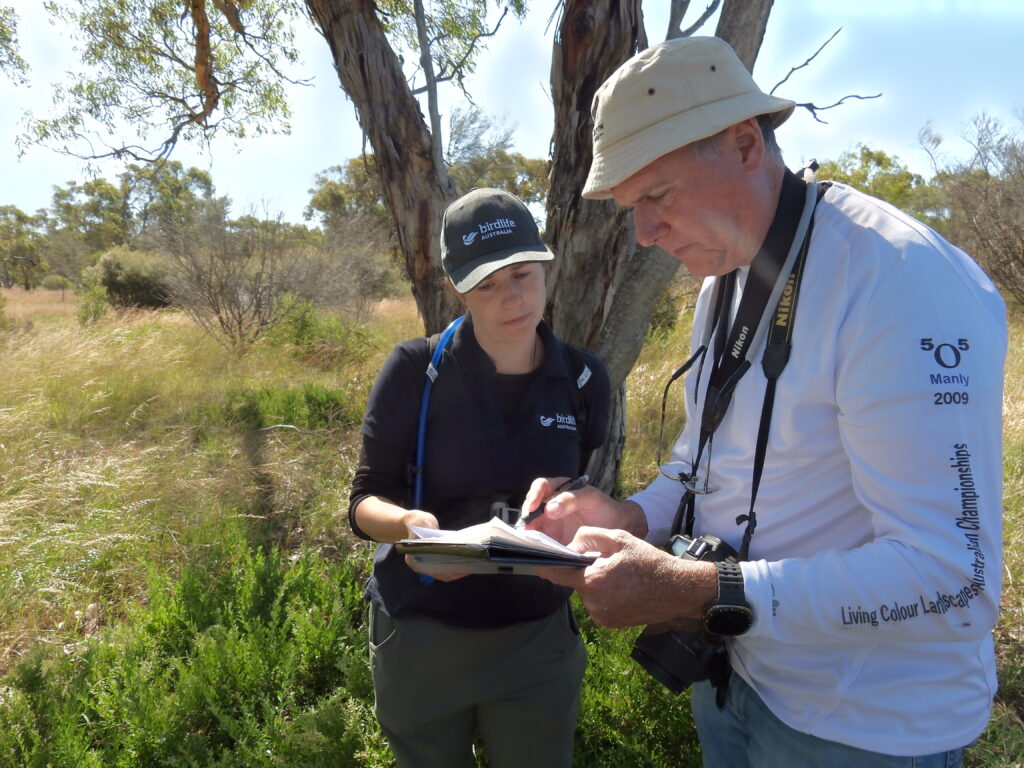
Bird diversity increased in revegetation sites but decreased in remnant bush sites over the 10-year period. So, revegetation provides habitat for birds, but bird numbers may be declining overall in the region. Bird communities in remnant areas stayed about the same over the 10-year period, while bird communities in revegetation sites shifted to become more like remnant sites.
In revegetation areas, the numbers of these birds increased over 10 years:
- Golden whistler
- Crimson rosella
- White-browed scrubwren
- Yellow thornbill
While the abundance of these species decreased:
- Fairy martin
- Swamp harrier
- Stubble quail
Smaller birds, like those eating grains, were more likely to be found in remnant areas, while revegetated areas were more dominated by predators and open habitat species.
Soil health
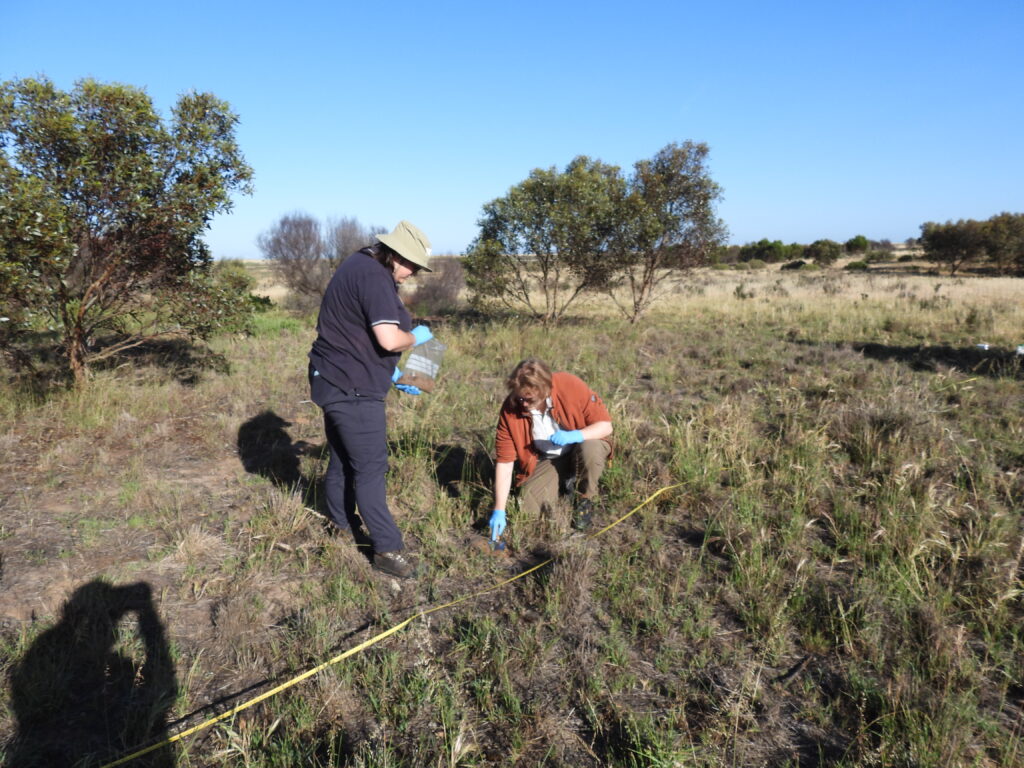
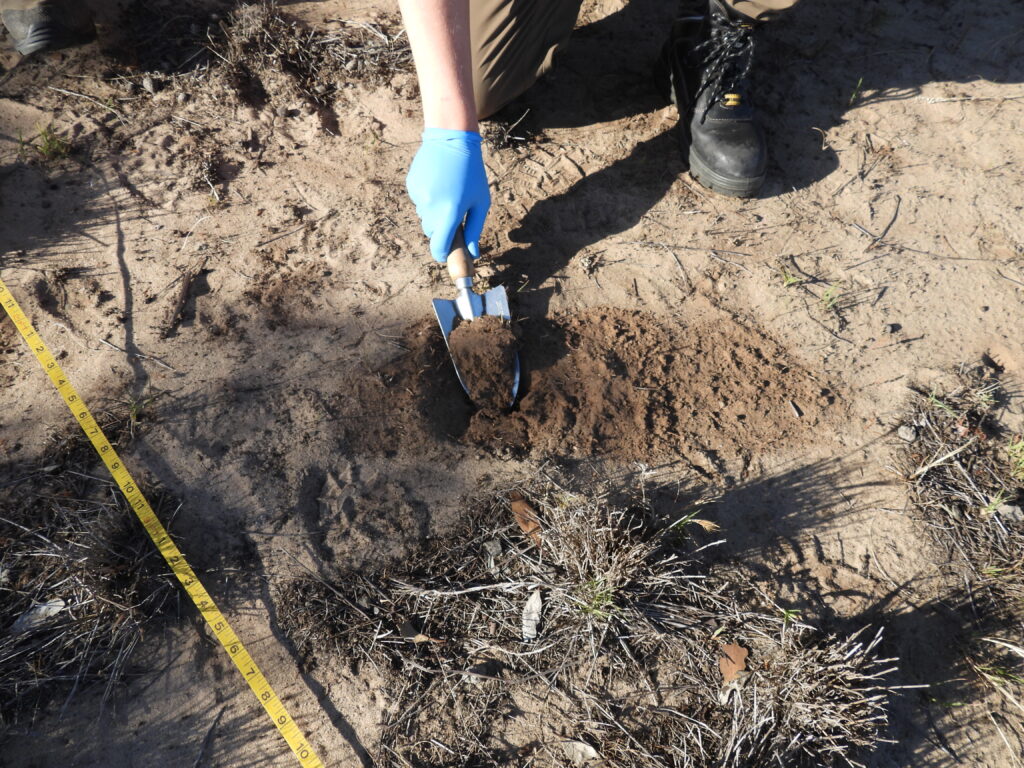
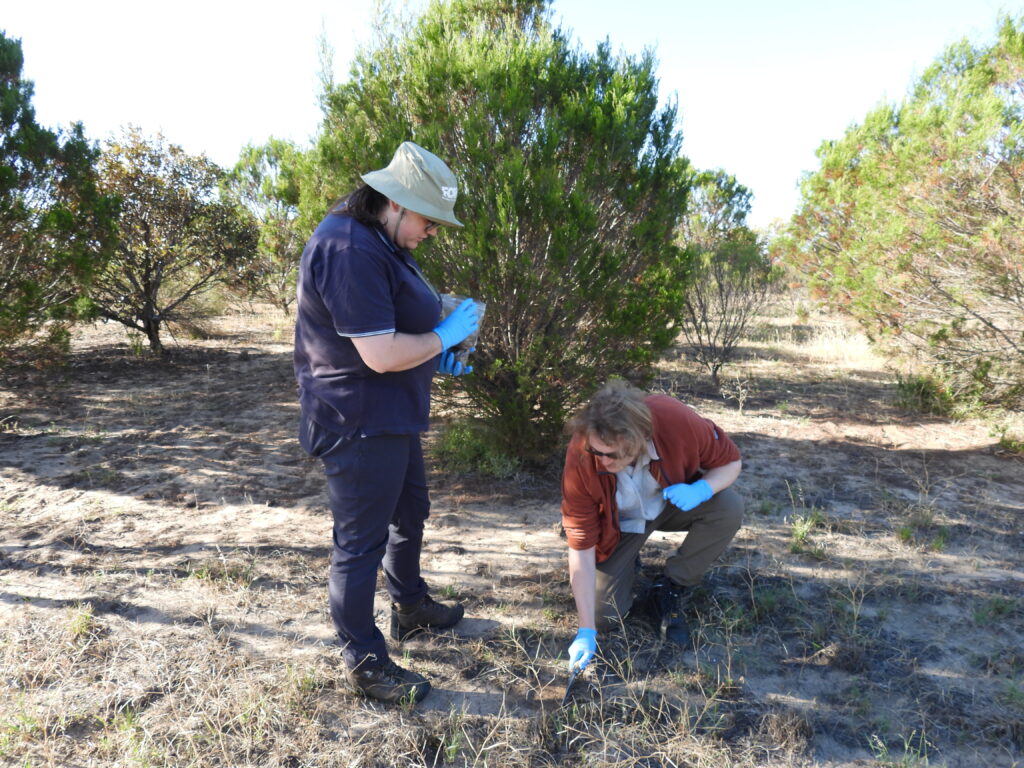
The team collected soil from revegetated and remnant sites and used environmental DNA (eDNA) techniques to identify the types of bacteria and fungi living in the soil. Their research found that bacterial diversity was much higher in remnant areas compared to revegetated areas.
They also found distinct bacterial and fungal communities in revegetated and remnant sites, indicating that these environments still support distinct soil microbial communities. This suggests that remnant sites might support microbes with different roles, including nutrient cycling and beneficial interactions with plants. As plant diversity also differed between revegetated and remnant sites, more research is needed to confirm any relationships and differing functions.
What did revegetation practitioners and landholders have to say?
The team also surveyed 32 people who had participated in revegetation activities, including 24 with direct experience in CLLMM, to help understand the perceived benefits, priorities, and challenges of revegetation plantings in the region. The team is still gathering information, but here’s what they’ve found so far.
Top 5 objectives for revegetation (practitioners)
- Caring for Country (protecting nature)
- Increasing vegetation cover (habitat)
- Increasing native vegetation diversity (# species)
- Improving the habitat for all native species
- Increasing connections between native vegetation patches
Top 4 institutional threats to the long-term success of revegetation (practitioners)
- Lack of ongoing funding to keep people employed
- Lack of ongoing funding to manage plantings
- Lack of ongoing technical support
- Poor long-term legal protection for vegetation
Top tips for revegetation (from landholders)
- Implement long-term farm plans (5-year plans)
- Start small
- Have exclusion fencing
- Work with experienced groups (i.e., Landcare)
- Have patience
Landholders reported being most motivated to undertake revegetation to increase biodiversity, while climate changewas identified as the biggest threat to revegetation on the landholders’ properties.
Where to from here?
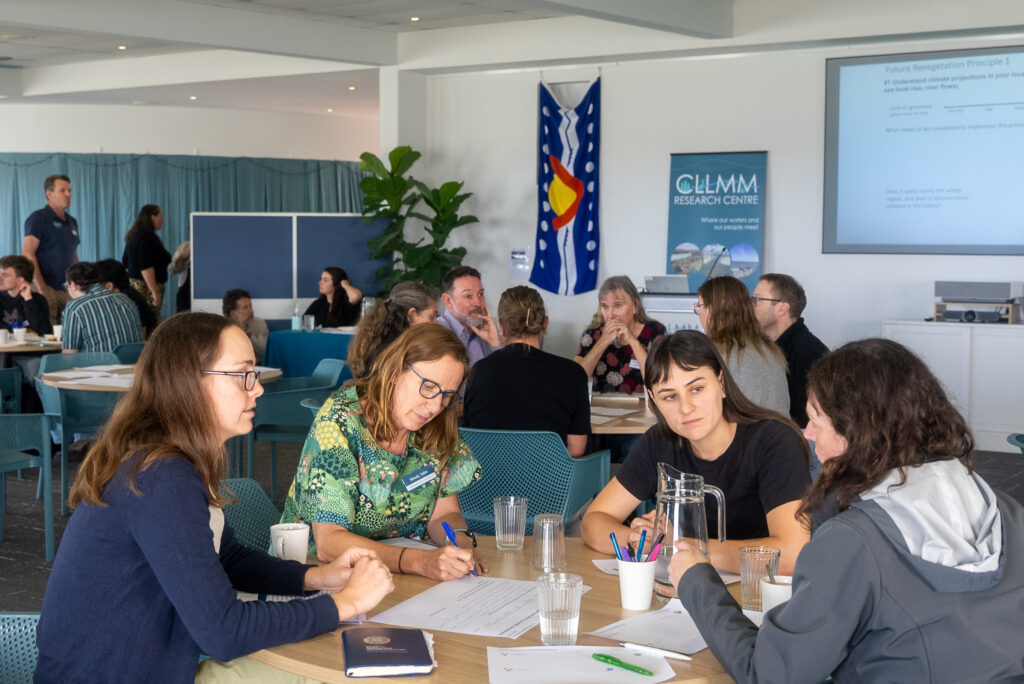
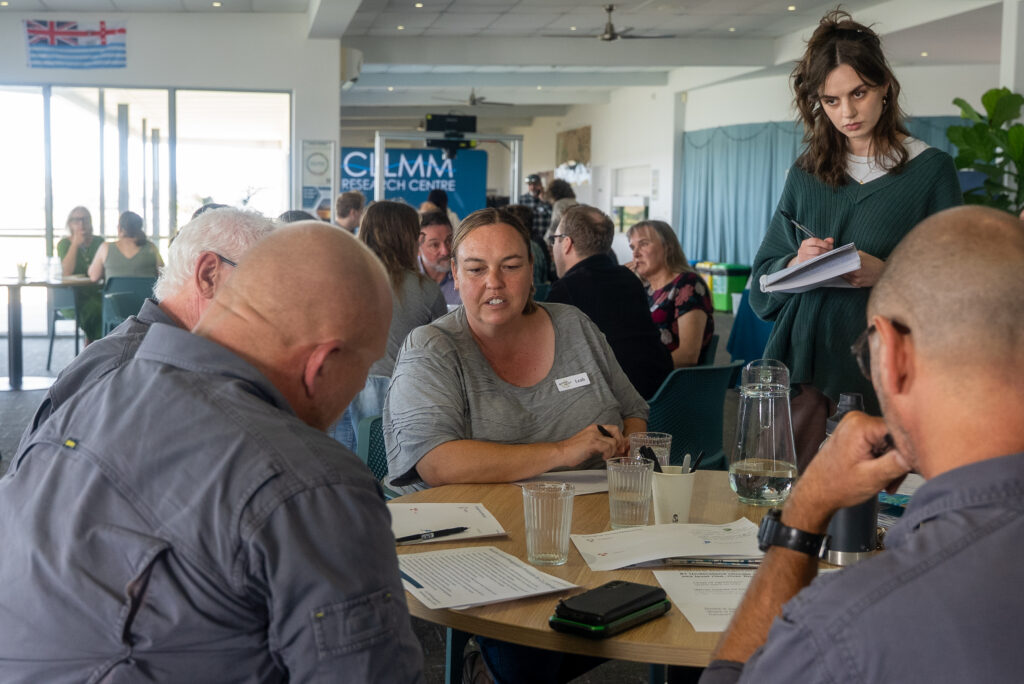
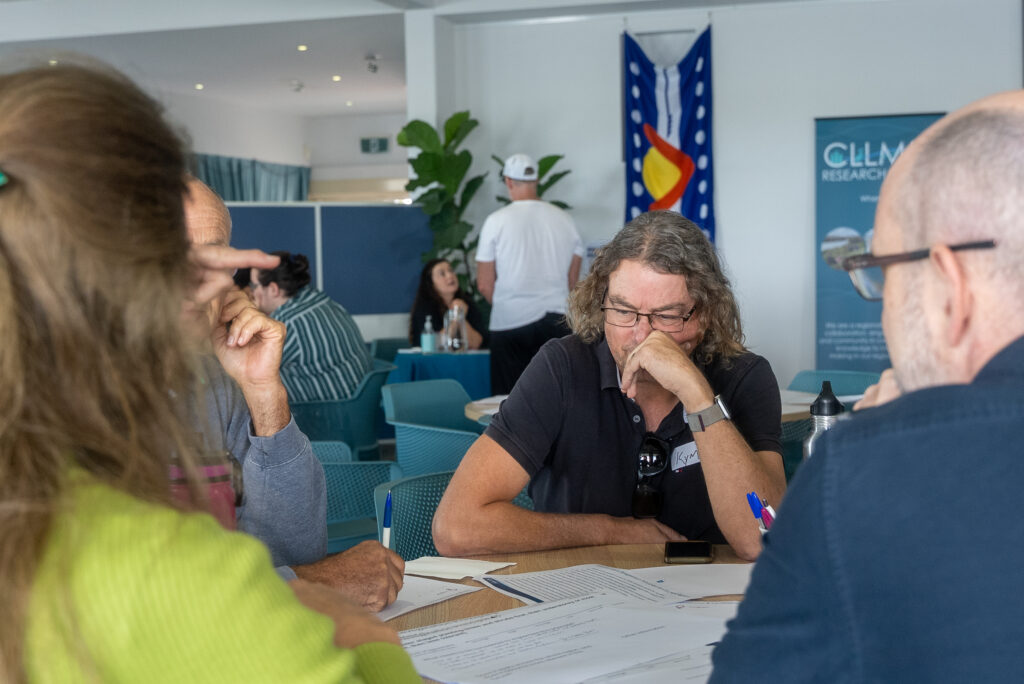
The project team is still gathering and analysing the data they collected. Further workshops are underway to gather input on:
- what principles should guide future revegetation efforts in the future
- gaps in our knowledge and priorities for the future.
The team will bring together all the information they’ve collected and publish their findings, along with recommendations for future revegetation projects in the region.