The CLLMM region is culturally significant to the Ngarrindjeri and First Nations of the South-East communities. It has been their home for thousands of years and will continue to be their home in the face of future climate change. The First Nations knowledge of the region will be critical for the CLLMM Research Centre to understand the implications of future climate change in the region as they have oral histories and Creation stories which connect them to place, time and their ancestors. The CLLMM region is described in detail throughout these histories and provides an insight into how the various environments of the region were created and interact with each other, and how to live sustainably within them.
The CLLMM Research Centre supports First Nations community well-being, providing an opportunity for knowledge creation and sharing, and the incorporation of the scientific knowledge of First Nations, the community, governments and researchers into the management of the region. The CLLMM Research Centre will achieve this through locally-based research in which community and First Nations can participate and lead in cultural and scientific activities, that build upon existing cultural knowledge and empowers communities to take charge of the management of their land and waters.
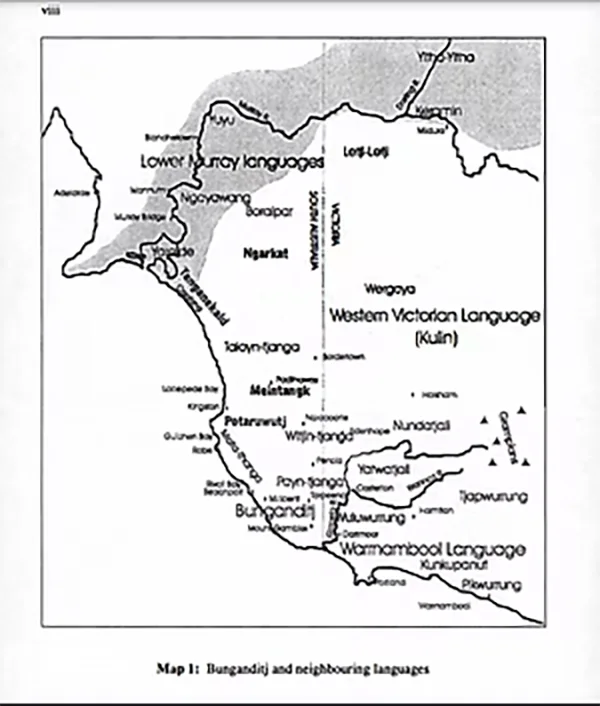
The CLLMM Region is comprised of primarily 2 Aboriginal Nations:
The Ngarrindjeri nation is an Aboriginal nation consisting currently of 3 main dialect groups; the Ramindjeri; Yaraldi and; Tanganekald. These dialect groups are further divided into 18 Laklinyerar (clans), then further into individual family groups who occupy the lands and waters of the CLLMM Region, and held their own Nga:tjar (totems). The Ngarrindjeri nation extends up the Murray River from Lake Alexandrina and Lake Albert, down the length of the Coorong and through the coastal area to Encounter Bay.